Beyond the Trailhead: How Women Rewrote Cascades Safety Standards
Three years ago, a party of four got benighted on the upper North Ridge of Mount Baker in deteriorating conditions. They survived. The reason they survived—and the reason the SAR team found them in under four hours—came down to a standardized rescue grid protocol. The kind that doesn't happen by accident. The kind that gets written by someone who treats search patterns as a logistics problem, not a gut call.
Most hikers never think about who wrote it.
That's not a feel-good story. That's a data point.
Who Actually Writes the Safety Protocols
Here's a logistics question, because that's how I think about everything: if you follow a checklist that keeps you alive, do you know who wrote it?
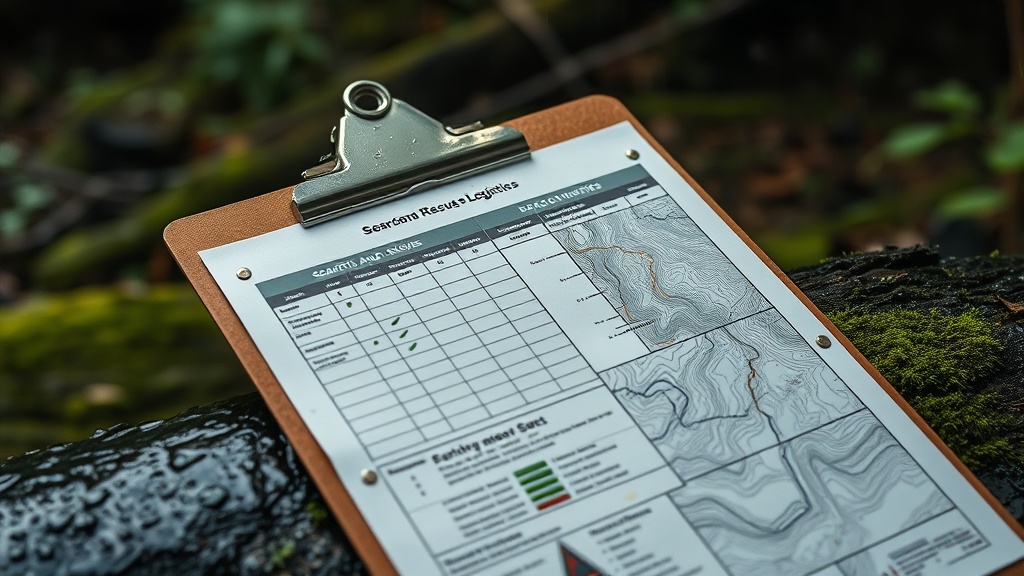
Most Cascades hikers using Washington State Parks SAR resources are operating inside a framework shaped significantly by women professionals who rarely get bylines in outdoor media. When you file a trip plan and someone calls in your overdue status, the dispatch procedure you're benefiting from traces back to decades of protocol work done by SAR coordinators, wilderness medicine researchers, and alpine terrain specialists.
A pattern that shows up consistently in SAR governance: women hold a higher share of coordinator and leadership roles than their representation on field teams would suggest. More system-design work, less field camera time. That gap—more infrastructure, less visibility—tells you something about where the actual protocol work happens versus where the media attention goes.
This isn't about inspiration. It's about understanding who built the tools you're using. This work often goes uncredited—but the data shows its impact everywhere.
The Research That Contradicts the Marketing
Walk into any gear shop and notice what language gets used on technical equipment packaging. "Dominate the descent." "Conquer the ridge." "For those who push limits." The implied user is male, the implied motivation is aggression.
Now look at the actual incident data.
The American Alpine Club's Accidents in North American Mountaineering series—published annually and one of the most comprehensive datasets on alpine accident causes—consistently documents men accounting for a disproportionately high share of reportable accidents relative to their participation rates at the technical tier. The overrepresentation isn't explained by exposure alone. Behavioral research in outdoor recreation settings has repeatedly identified "push-through" decision-making—continuing into deteriorating conditions rather than turning back—as a primary contributing factor, with risk-aggression framing as a documented influence on that decision. This confidence gap has real consequences.
The way you describe a mountain shapes how you make decisions on it. "Conquer" gets people killed.
Research on cold-water immersion survival has directly changed how SAR teams triage hypothermia cases in Pacific Northwest water rescues. The older triage model prioritized aggressive core temperature elevation. The revised protocol—now standard—gives significant weight to the cardiac arrhythmia risk that can accompany rewarming, specifically ventricular fibrillation triggered by moving a severely hypothermic patient before stabilization. That revision has saved lives. Women researchers contributed to building the evidence base behind it.
This is what actual safety work looks like: dry academic papers, protocol revision cycles, arguments at SAR coordination meetings. Not summit shots.
The Cascades-Specific Legacy
Specific names matter here more than generalities.
The permit system on Mount Rainier—the one that staggers summit attempts to prevent dangerous bottlenecks at high altitude—was refined through advocacy by female rangers and mountaineering guides who documented overcrowding-related accident clusters and pushed for systematic controls. The standardized trail condition reporting system used by Washington Trails Association, which I rely on every single week when I'm writing up current conditions, evolved through work by volunteer coordinators who pushed for consistent hazard language rather than subjective impressionism. The precision of those reports matters—a lot. The difference between "some snow" and "hard névé starting at 4,200 feet with significant posthole risk" is the difference between a successful day hike and a twisted ankle three miles from the trailhead.
King County Search and Rescue has had women in key leadership positions standardize the intake protocol for missing hiker reports. That standardization—when did the person leave, what's their documented fitness level, what's the weather gradient at their expected elevation—is why K-9 units get deployed to the right drainage instead of the wrong one.
This is unglamorous infrastructure work. Nobody posts it on Instagram.
In the avalanche research domain, the contribution is impossible to overstate. Jill Fredston's work in Alaska—both her avalanche forecasting methodology and her book Snowstruck on human factors in rescue dynamics—has influenced Pacific Northwest snow safety education directly. Her framing of terrain traps, the idea that you assess how terrain features concentrate and funnel destructive force rather than running simple slope-angle math, is embedded in every avalanche safety curriculum in the Cascades today.
I'm writing route hazard documentation for Cascades trails because I want people to have accurate information before they commit to a line. That same impulse—the idea that real data protects people better than vibes—runs through all of this work.
The Recognition Deficit
Here's what I notice as a former logistics manager: in supply chain, you know exactly who built the process that runs reliably every day, because you documented it. In outdoor recreation, the processes run reliably because the work was done, but the documentation of who did it is often absent.
When SAR coordinators are interviewed by local media after a successful rescue, the field team members get the quotes. The coordinator who designed the search pattern, dispatched the resources, and made the call on where to concentrate effort often doesn't get mentioned.
This isn't a conspiracy. It's a visibility problem compounded by the fact that the safety work that prevents emergencies is invisible by definition. Nobody writes a story about the hiker who didn't need to be rescued because the trail condition report was accurate.
That trail condition report was written by a volunteer.
What This Means for Spring Climbing Season
International Women's Day is March 8th. Three days out. Spring climbing season in the Cascades is starting—conditions are transitional, snowpack is softening, and the accident risk profile shifts every week right now.
The safety standards you're operating inside this spring—the SAR protocols, the hazard grading frameworks, the cold-water triage procedures, the avalanche terrain assessment methodology—were shaped in significant part by researchers and professionals who don't have sponsored gear and don't have 200K followers.
Here's the actionable take-home:
File your trip plan. Every time. The protocol that makes it useful was designed by people who treated it as a serious logistics problem, not an afterthought. It shows respect for the work.
Use WTA trail condition reports as actual data. The standardized reporting format exists because someone fought to make it consistent. The notes about creek crossings and snow coverage in the first mile aren't flavor text—they're the output of a system built to give you accurate information.
Stop using the word "conquer." The research data on decision-making in alpine terrain suggests that risk-aggression framing contributes to push-through decisions at exactly the wrong moments. This isn't soft. This is cognitive safety hygiene.
The people who built the rescue protocols, the reporting standards, and the triage procedures you're depending on this spring don't need you to celebrate them. But when the protocol works, it's worth knowing it exists and that someone built it with precision and intent.
That's not inspiration. That's just logistics.
Current Cascades conditions: snowpack above 4,000 ft remains variable—consult WTA reports and Avalanche Center bulletins before any approach above the snowline this weekend.