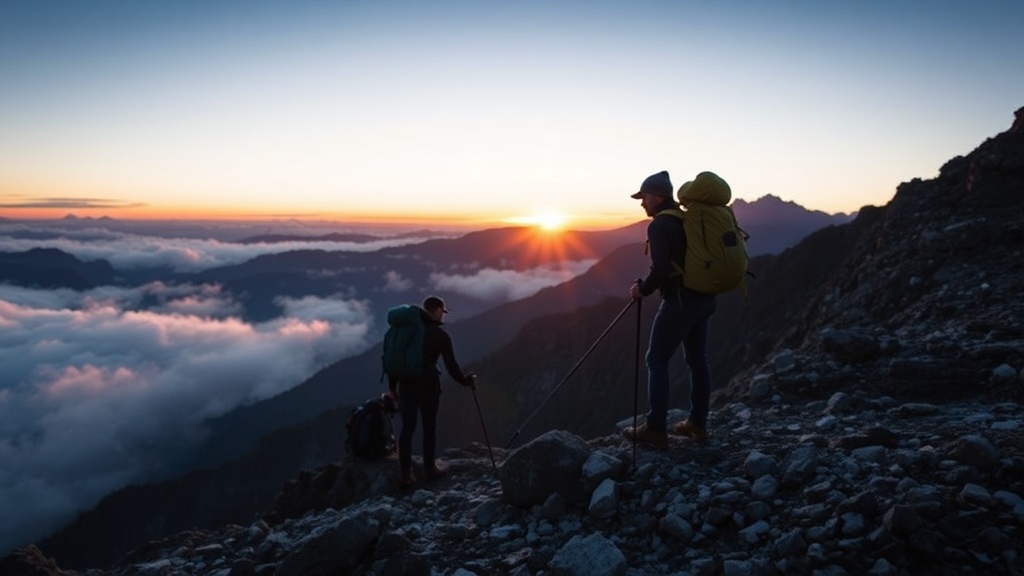
Mastering the Art of Ultralight Backpacking: Essential Gear Tips

I spent fifteen years in logistics managing supply chains where a three-pound discrepancy could derail a shipment's efficiency. When I transitioned from the warehouse to the high alpine of the Cascades, I brought that same obsession with weight and precision with me. In the logistics world, we call it "optimization." In the hiking world, people call it "ultralight backpacking."
Lately, I’ve been seeing a dangerous trend on social media. Influencers are showcasing "aesthetic" ultralight setups that look great in photos but fail miserably when a real storm hits a high-altitude pass. They focus on the weight of the gear, but they completely ignore the utility and reliability of that gear. A 10-ounce tent is useless if it can't withstand a 40-mph gust in the North Cascades. Ultralight backpacking isn't about being as light as possible; it is about being as light as you can afford to be while maintaining a margin of safety.
The Philosophy of the "Margin of Safety"
In my previous career, we never planned for the "best-case scenario." We planned for the most likely complication. If you are moving toward a lightweight setup, you must understand that every gram you shave off is a trade-off. You are trading weight for redundancy or durability. My rule of thumb is simple: Never sacrifice a critical safety component for the sake of a lighter base weight.
A lighter pack means less strain on your joints and less fatigue, which is a significant advantage for long-term physical health. If you are looking to optimize your long-term physical resilience, you might be interested in how longevity experts reveal 6 must-do habits for a healthier 2026, but in the context of the trail, your primary habit must be weight management through intelligent gear selection.
The Big Three: Shelter, Sleep, and Pack
In the ultralight community, the "Big Three" refers to your shelter, your sleep system, and your backpack. These are the heaviest items in your kit, and they offer the highest potential for weight savings. However, they are also your most critical pieces of equipment.
1. The Shelter System
You have two main choices: a traditional lightweight tent or a trekking pole tent. A trekking pole tent is the gold standard for weight reduction because it utilizes the poles you are already carrying. However, this creates a dependency. If you break a pole or lose a trekking pole, you no longer have a shelter. In my logistics days, we called this a "single point of failure." If you choose a trekking pole tent, you must carry a repair sleeve or a backup pole.
2. The Sleep System
Your sleep system consists of your sleeping bag (or quilt) and your sleeping pad. Many lightweight hikers opt for a quilt to save weight. While quilts are excellent for temperature regulation in summer, they lack the structural integrity of a sleeping bag in high-wind or high-altitude environments. If you are venturing into the Cascades in the shoulder seasons, I strongly suggest a high-quality down bag over a quilt. The reliability of a bag outweighs the few ounces saved by a quilt.
3. The Backpack
The most common mistake I see is people buying a massive, 65-liter internal frame pack and then "downsizing" to an ultralight 40-liter pack without actually reducing their gear. If you move to a smaller pack, you must audit every single item you own. A small pack requires a disciplined packing method. Use compression sacks to manage volume, but do not over-compress, or you will create "hot spots" that make the pack uncomfortable and unbalanced.
The Precision of Nutrition and Hydration
Weight reduction shouldn't just apply to your gear; it should apply to your food logistics. Carrying heavy, water-dense foods is a rookie mistake. You want calorie-dense, dehydrated, or freeze-dried meals that offer the highest caloric return for the lowest weight. This is where many hikers fail—they focus on the weight of the pack but forget the metabolic cost of the food.
Proper nutrition is a cornerstone of maintaining your body's rhythm and recovery. For instance, understanding bio-harmony eating for longevity can help you understand how to fuel your body efficiently, even when you are operating under the stress of a multi-day trek. On the trail, your nutrition strategy should focus on steady glucose levels and high-quality fats to prevent the "bonk" that often leads to injury or poor decision-making in technical terrain.
- Avoid "Empty" Weight: Don't carry heavy canned goods. If it's in a tin, leave it at home.
- The Water Variable: Water is the heaviest thing you will carry. Plan your route around reliable water sources. Carrying an extra liter of water adds 2.2 lbs to your pack—that is a massive penalty.
- Electrolyte Management: Don't just carry salt; carry a precise electrolyte mix. Dehydration is often mistaken for hunger or fatigue.
The Hidden Weight: The "Just in Case" Trap
The biggest enemy of the ultralight hiker is the "What If" mentality. "What if it rains harder than expected?" "What if I get a blister?" "What if I need this extra heavy tool?" This is how a 15-pound pack becomes a 30-pound pack.
To combat this, you need a tiered system of preparedness. Instead of carrying "just in case" items, carry "multi-use" items. A high-quality knife can be a tool, a food prep instrument, and a repair aid. A lightweight tarp can be a shelter, a rain fly, or a sunshade. This is the difference between a cluttered pack and an optimized kit.
"Efficiency is not about doing more with less; it is about doing exactly what is necessary with the most reliable tools available."
Managing Biological Rhythms on the Trail
When you are living out of a pack, your body’s internal clock (your circadian rhythm) is under constant assault from shifting light patterns and physical exertion. This can lead to sleep deprivation, which is a leading cause of hiking accidents. If you find yourself struggling with sleep cycles while traveling or trekking, you may need to look into how to reset your body clock to maintain your cognitive function and physical recovery.
A well-rested hiker is a safe hiker. If your ultralight setup is so minimal that you are shivering all night, you aren't being an "ultralight hiker"—you are being a reckless one. The goal of a lightweight system is to ensure you are rested enough to make sound decisions when the trail gets technical or the weather turns.
The Essential Gear Audit Checklist
Before you head out on your next trek, perform a rigorous audit. I don't want to see a "general idea" of your gear; I want a spreadsheet. If you can't account for the weight of every single item in your pack, you haven't finished your planning.
- Weigh Everything: Use a digital scale. Do not guess. A "light" stove might actually be heavy once you add the fuel canister and the lighter.
- Test the Redundancy: If you remove an item, ask: "What is the failure mode if this item fails?" If the answer is "I am in danger," you must either carry a backup or a more durable version of that item.
- The Volume Test: Pack your gear in your actual trail bag. If you have to force the zipper shut, your gear is too bulky, not just too heavy.
- The "One-Trip" Rule: If you can't comfortably carry your pack for 10 miles on a training hike around your house, it is too heavy for the trail.
As we move into a more health-conscious era, the integration of physical activity and biological optimization becomes even more vital. Whether you are preparing for a grueling mountain thru-hike or just a weekend outing, understanding the 6 pillars of a healthier, age-defying lifestyle can provide the foundational strength needed to support your lighter, more efficient gear.
Ultralight backpacking is a discipline of subtraction. It requires the discipline to leave behind the unnecessary, the wisdom to keep the essential, and the precision to ensure that every gram serves a purpose. Don't do it for the "gram-counting" ego. Do it so that when the weather turns in the high Cascades, your gear is an asset, not a liability. Stay safe, stay precise, and keep the weight low.