Longevity Experts Reveal 6 Must‑Do Habits for a Healthier 2026
Hook: Ever wonder why some people seem to age in reverse? The secret isn’t a miracle pill—it's a set of daily habits that science now proves can add years to your life.
Context: As we step into spring 2026, a wave of new research from neuroscientists, gerontologists, and public‑health officials is reshaping how we think about aging. Below, six leading experts explain the core pillars that keep bodies resilient, minds sharp, and spirits vibrant.
How Does Sleep Quality Influence Longevity?
"Consistently getting 7‑9 hours of deep, uninterrupted sleep is the single most powerful predictor of lifespan," says Dr. Maya Patel, a sleep‑medicine researcher at the University of Washington. NIH Sleep Study, 2025
Actionable tip: Set a strict bedtime, dim lights an hour before sleep, and keep the bedroom cool (≈65°F). Track your sleep cycles with a wearable and aim for at least two 90‑minute REM periods each night.
What Role Does Nutrition Play in Defying Age?
"A diet rich in plant‑based proteins, omega‑3 fatty acids, and polyphenols can slow cellular senescence," notes nutritionist Dr. Luis Ramirez of Harvard Health.
Actionable tip: Adopt a “Mediterranean‑plus” plate: 50% veg, 30% whole‑grain carbs, 20% lean protein (fish, legumes), and a drizzle of extra‑virgin olive oil. Add a daily serving of berries for antioxidants.
Why Is Regular Movement Essential for Longevity?
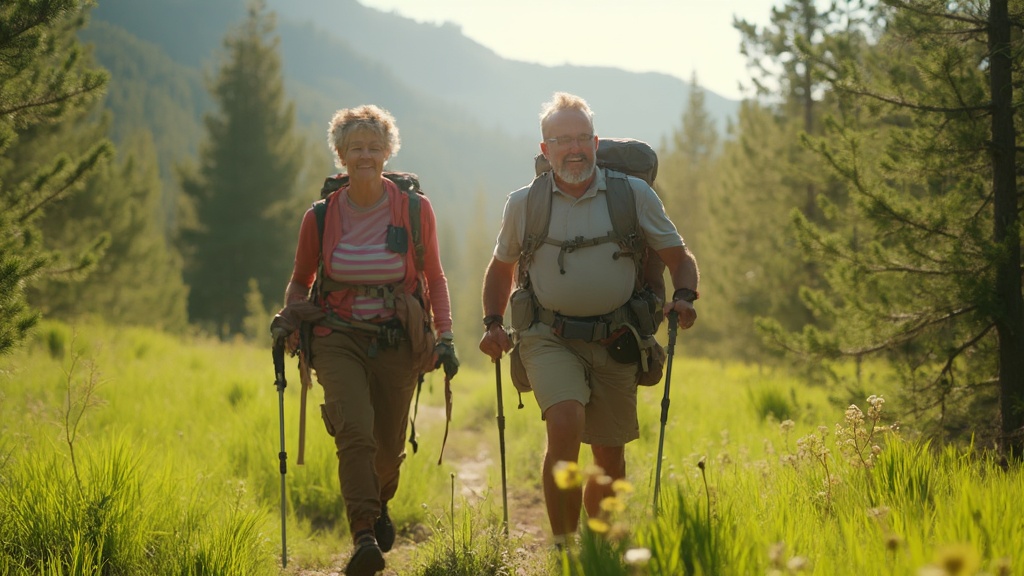
"Even light‑intensity activity, like brisk walking or hiking, reduces inflammation and improves mitochondrial function," explains exercise physiologist Dr. Anika Singh, author of Move to Live Longer.
Actionable tip: Aim for 150 minutes of moderate cardio per week. Incorporate strength training twice weekly—bodyweight squats, lunges, and resistance bands are perfect for trail‑ready hikers.
How Can Stress Management Extend Your Years?
"Chronic cortisol spikes accelerate telomere shortening, a hallmark of cellular aging," warns Dr. Elena Kovacs, a stress‑research specialist at Stanford.
Actionable tip: Practice a 5‑minute mindfulness pause after each mile on the trail. Use the “box breathing” technique (4‑4‑4‑4) to reset your nervous system.
Does Social Connection Impact Lifespan?
"Strong social ties are linked to a 50% lower risk of premature death," cites epidemiologist Dr. Raj Patel from the WHO Longevity Report 2024.
Actionable tip: Join a local hiking group or schedule weekly coffee walks with friends. Even virtual trail meet‑ups count—share route data and stories.
Why Is Lifelong Learning a Longevity Pillar?
"Continuous cognitive challenge stimulates neurogenesis and protects against dementia," says neuroscientist Dr. Sophie Liu of MIT.
Actionable tip: Learn a new outdoor skill each season—navigation, wild‑food identification, or backcountry first aid. Enroll in a short online course or attend a workshop.
Takeaway
Start small: pick one pillar, apply the tip this week, and log your progress. Stack habits over time, and you’ll build a resilient, age‑defying lifestyle that keeps you on the trail for years to come.
Related Reading
- Spring Refresh: Embracing Bio‑Harmony in Your Lifestyle – Integrate nutrition and circadian rhythm for peak performance.
- Digital Detox on the Trail: Why Unplugging Boosts Spring‑Hike Wellness – Unplug to reset stress levels.
- How to Reset Your Body Clock When Daylight Saving Time Starts – Align your sleep with seasonal shifts.
- Bio‑Harmony Meal Planning for Remote Workers – Optimize nutrition for work‑life balance.
<meta.faqs>
[
{"question": "What is the most important habit for longevity?", "answer": "Consistently high‑quality sleep is the single most impactful habit for extending lifespan."},
{"question": "How many minutes of exercise do I need each week?", "answer": "Aim for at least 150 minutes of moderate cardio, plus two strength‑training sessions."},
{"question": "Can social activities really affect my health?", "answer": "Yes—strong social connections can cut premature‑death risk by half, according to WHO research."}
]
</meta.faqs>