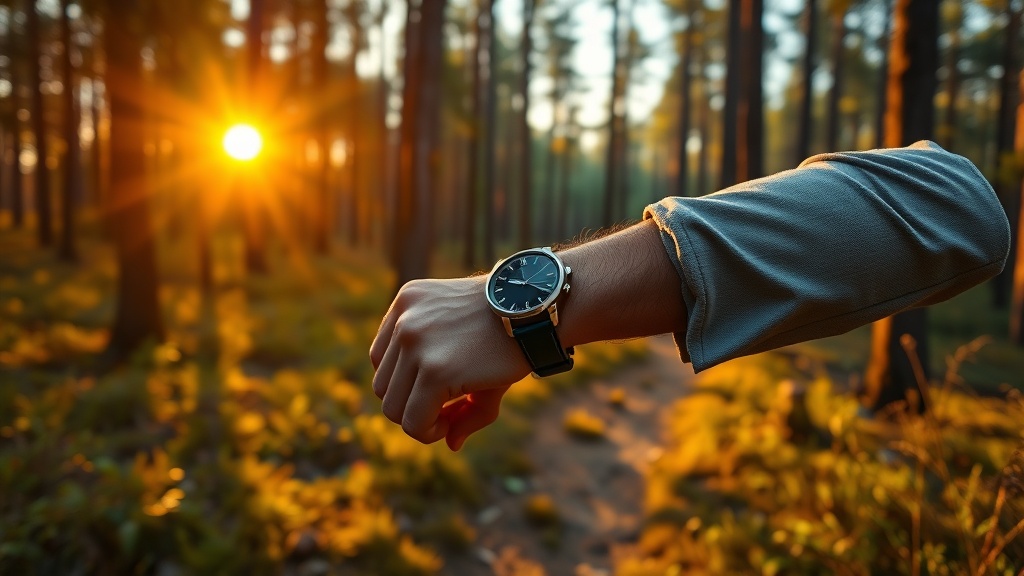
How to Reset Your Body Clock When Daylight Saving Time Starts

Why does daylight saving time mess with my sleep?
Every spring we lose an hour of sleep as clocks jump forward. That sudden shift disrupts our internal circadian rhythm, the 24‑hour biological clock that governs sleep, hormone release, and even hiking performance. Studies from the National Heart, Lung, and Blood Institute show a spike in sleep‑related accidents in the week after the change.
What can I do right now to protect my sleep?
Below are six actionable steps you can start tonight. They’re drawn from sleep‑science research and my own field testing on the Cascades trails.
1. Gradually shift bedtime by 10‑15 minutes
Starting three nights before the switch, go to bed 10‑15 minutes earlier each night. This tiny adjustment eases the body’s melatonin production curve without causing a full‑hour shock.
2. Anchor your wake‑up time with natural light
Expose yourself to bright morning light within the first 30 minutes of waking. Open the tent flap, step outside, or use a headlamp if it’s still dark. Sunlight resets the suprachiasmatic nucleus, the brain’s master clock.
3. Keep caffeine and alcohol in check
Both substances suppress melatonin. Limit coffee to before 2 p.m. and avoid alcohol within six hours of bedtime. The CDC’s sleep health guidelines back this up.
4. Optimize your sleep environment
Maintain a cool (60‑67 °F) and dark bedroom. If daylight leaks in early, use blackout curtains or a sleep mask. A consistent temperature helps the body’s core temperature dip, a key trigger for deep sleep.
5. Sync your meals with the new schedule
Eat your main meals at the same times you plan to eat after the time change. A steady nutrition schedule reinforces the new rhythm.
6. Use short naps wisely
If you feel groggy during the day, a 20‑minute power nap can restore alertness without resetting your clock. Avoid naps longer than 30 minutes, which can push you into deeper sleep stages and make nighttime sleep harder.
How will these steps affect my trail performance?
A well‑aligned circadian rhythm improves stamina, reaction time, and decision‑making—critical factors when navigating steep switchbacks or unexpected weather. A recent National Science Foundation study linked a 5% boost in endurance to consistent sleep‑wake timing.
Quick checklist for the night before the shift
- Set alarm 10 minutes earlier than usual.
- Turn off screens by 9 p.m.; use a blue‑light filter if needed.
- Lay out tomorrow’s gear in daylight.
- Drink a glass of water before bed to stay hydrated.
Related reading
- Bio‑Harmony Meal Planning for Remote Workers: Sync Nutrition with Your Circadian Rhythm — deeper dive on nutrition timing.
- Spring Refresh: Embracing Bio‑Harmony in Your Lifestyle — broader wellness strategies for the season.
- Digital Detox on the Trail — how unplugging improves sleep quality.
Takeaway
Daylight saving doesn’t have to wreck your rest. By nudging bedtime, soaking up morning light, watching caffeine, and keeping meals consistent, you’ll keep your circadian rhythm on track and hit the trail refreshed.
Steps
- 1
Gradually shift bedtime
Start three nights before DST and go to bed 10‑15 minutes earlier each night.
- 2
Anchor wake‑up with natural light
Get bright light within 30 minutes of waking; open tent flap or use a headlamp.
- 3
Limit caffeine and alcohol
Avoid coffee after 2 p.m. and alcohol within six hours of bedtime.
- 4
Optimize sleep environment
Keep bedroom cool (60‑67 °F) and dark; use blackout curtains or a mask.
- 5
Sync meals to new schedule
Eat main meals at the same times you’ll eat after the time change.
- 6
Use short power naps
If needed, take a 20‑minute nap; avoid naps longer than 30 minutes.