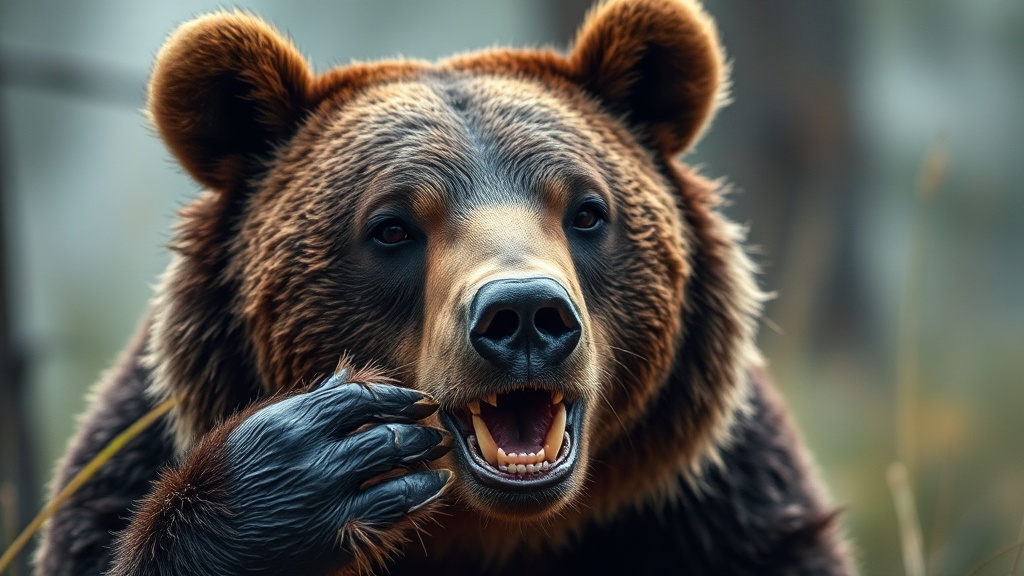
4 Ways to Keep Your Bear Food Secure

Using a Hard-Sided Bear Canister
The Traditional Bear Bag Hang
Utilizing Bear-Resistant Food Containers
Keeping a Clean Campsite Perimeter
A single grizzly bear can consume up to 20,000 calories in a single day during hyperphagia, and a scent as faint as a single stick of gum is enough to draw them to your campsite. Improper food storage is not just a matter of losing your snacks; it is a primary cause of human-bear conflicts that result in the lethal removal of wildlife and dangerous encounters for hikers. This guide outlines four scientifically backed, practical methods for securing your food, hygiene products, and scented items to ensure you remain a non-target in the wilderness.
1. Use an Approved Bear Canister
In the high Cascades and many parts of the North Cascades National Park, bear canisters are not a suggestion—they are a requirement. A bear canister is a rigid, impact-resistant container designed to withstand the weight of a bear stepping on it and the strength of a bear attempting to pry it open with its claws. Unlike soft-sided bear bags, which can be easily breached by a determined black bear or a heavy-handed grizzly, a canister provides a mechanical barrier that prevents scent leakage and physical access.
When selecting a canister, do not rely on "bear-resistant" labels alone; check the Interagency Grizzly Bear Committee (IGBC) certification. High-quality models like the BearVault BV500 or the Wilderness Bear Canister series are industry standards for a reason. They utilize dual-wall construction and reinforced latches that are difficult for claws to manipulate. If you are planning a multi-day trek through the Okanogan-Wenatchee National Forest, your canister must be large enough to hold all your calorie-dense food, but not so large that it becomes an unnecessary weight penalty in your pack.
Logistical Tips for Canister Use:
- Pre-pack your food: Remove excess cardboard packaging before you leave home. Cardboard is bulky and creates unnecessary air space, making your canister less efficient.
- Check the seal: Every time you close the canister, physically inspect the O-ring or the locking mechanism. A single grain of sand or a stray crumb in the seal can compromise the airtight integrity.
- Weight distribution: Place the canister near the center of your pack or at the bottom if your pack's suspension system can handle the shifting weight. A heavy canister at the top of a pack will throw off your center of gravity on technical terrain.
2. Utilize the Bear Bag Hang Technique
If you are in an area where hard-sided canisters are not required or are too heavy for your specific lightweight setup, you must master the PCT Bear Bag method. This is not simply throwing a bag over a branch. A poorly hung bag is an invitation for a bear to investigate. The goal is to place the food in a location that is inaccessible to both ground-dwelling animals and climbing bears.
The most effective method is the PCT Method, which involves a continuous loop of cordage. You need a high-strength, lightweight line—ideally 50 feet of 2mm Dyneema or Spectra cord. Unlike standard paracord, Dyneema has a much higher strength-to-weight ratio and is less likely to stretch or snap under the weight of a heavy food bag. You will need a small, lightweight stuff sack (like a 5L or 10L dry bag) to hold your food. Do not use a thin plastic grocery bag, as it will tear easily and fail to contain scents.
Step-by-Step Execution:
- The Setup: Tie one end of your cord to a sturdy, living limb (avoid dead branches, as they snap easily).
- The Loop: Throw the cord over a high branch, ideally 12 to 15 feet above the ground. Ensure the branch is strong enough to support the weight of your food and the tension of the line.
- The Bag: Attach your food bag to the cord. Ensure the bag is streamlined so it doesn't snag on smaller branches during the hoist.
- The Tension: Pull the cord taut to create a "Z" or "U" shape. The bag should hang far away from the tree trunk to prevent a bear from climbing the tree and reaching the bag.
Note that while hanging a bag is effective for many scenarios, it is significantly less reliable than a hard-sided canister in high-density bear areas. If you are camping in areas known for high grizzly activity, prioritize the canister. If you are also managing your gear to ensure you have a functional camp, remember to set up a reliable camp stove at least 100 feet away from your sleeping area to keep heat and food smells separate from your tent.
3. Implement a Strict "Smellables" Protocol
heavy-duty plastic bags or specialized scent-proof bags.Many hikers fail to realize that "food" extends far beyond the granola bars and dehydrated meals in their packs. A bear's olfactory senses are incredibly acute. To a bear, "smellables" include anything with a scent: toothpaste, sunscreen, lip balm, insect repellent, hand sanitizer, even the soap you use to wash your hands. If you do not secure these items, you are essentially creating a trail of breadcrumbs for wildlife.
The most effective way to manage this is to maintain a dedicated "Smellable Kit." This should be a single, airtight container—such as a heavy-duty Ziploc bag or a dedicated dry bag—that holds every item with a scent. When you are not actively using your sunscreen or your toothpaste, it goes immediately back into this container. This container is then treated exactly like your food: it is stored in your bear canister or hung in your bear bag.
Commonly Overlooked Smellables:
- Toiletries: Toothpaste, mouthwash, deodorant, and even certain types of biodegradable soap.
- Cosmetics: Lip balm (especially flavored varieties), sunblock, and insect repellent (DEET and Picaridin are highly potent).
- Hygiene Items: Wet wipes, hand sanitizer, and even the trash from your meals.
Never leave your "smellables" in the vestibule of your tent or in an unzipped side pocket of your backpack. If you are using a camp stove to cook, ensure all cooking implements and any food scraps are cleaned thoroughly and stored in your scent-proof container immediately after use. Keeping your cooking area clean is a vital part of campsite hygiene.
4. Establish a Proper Camp Perimeter and Distance
The physical layout of your campsite is your final line of defense. You must implement a strict "Zone System" to separate your sleeping area, your cooking area, and your food storage area. This spatial separation is critical because it prevents a single event (like a bear investigating a food bag) from immediately escalating into a confrontation at your tent. A standard, safe distance between these zones is 100 feet (approximately 30 meters).
The Three-Zone System:
- Zone 1: The Sleeping Area. This is your tent and your personal gear. No food, no smellables, and no cooking should ever occur in this zone.
- Zone 2: The Cooking and Cleaning Area. This is where you set up your stove and prepare meals. This area should be downwind from your tent if possible.
- Zone 3: The Storage Area. This is where your bear canister or hanging bear bag is located. This must be at least 100 feet away from both your tent and your cooking area.
When choosing a site, avoid areas that are "high-traffic" for wildlife. Do not camp directly next to a berry patch, a fresh game trail, or a carcass. If you see signs of recent animal activity—such as fresh scat or overturned logs—move to a different location. Precision in campsite selection is just as important as the gear you carry. Just as you would ensure your gear is ready for the trail by checking why you should always carry a headlamp for night visibility, you must ensure your campsite layout is optimized for safety before the sun goes down.
By following these four protocols—using an approved canister, mastering the PCT hang, securing all smellables, and maintaining a strict three-zone campsite—you significantly reduce the probability of a bear-human encounter. In the backcountry, precision in preparation is the difference between a successful trip and a dangerous wildlife conflict.