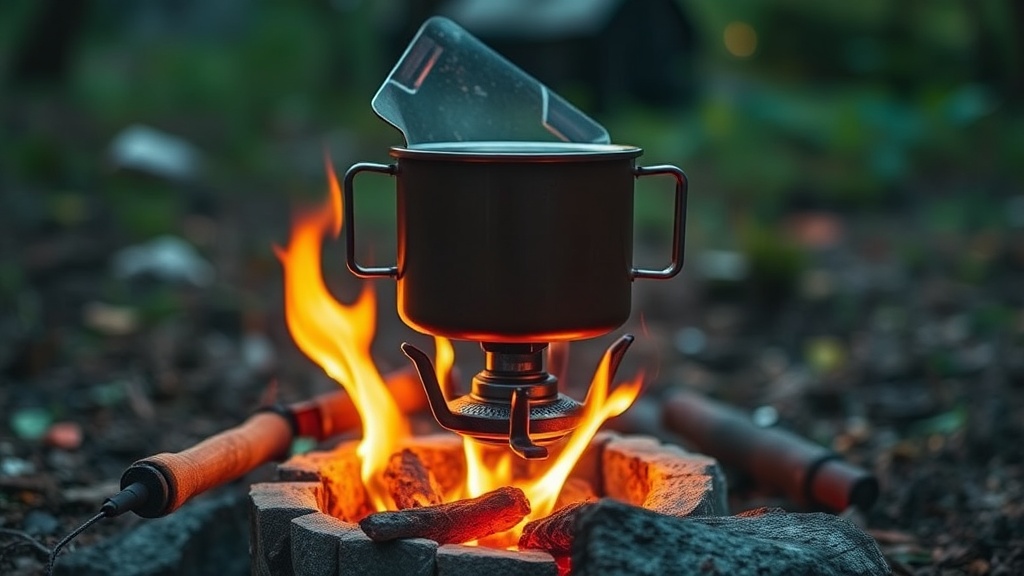
How to Set Up a Reliable Camp Stove

According to data from the National Park Service, thousands of backcountry incidents annually involve preventable fire-related injuries or equipment malfunctions caused by improper stove operation. This guide provides the technical specifications and procedural steps required to set up, operate, and maintain a reliable camp stove in the Cascades and similar wilderness environments. Understanding the mechanics of your stove is not just about hot meals; it is about preventing burns, avoiding equipment failure in high-wind scenarios, and ensuring you do not inadvertently start a wildfire.
Selecting the Right Stove for Your Environment
Before you even unpack your gear, you must match your stove type to your specific hiking objectives and the expected weather conditions. A common mistake is choosing a stove based on weight alone without considering stability or fuel efficiency.
Canister Stoves
Canister stoves, such as the MSR PocketRocket 2 or the Jetboil Flash, are the standard for lightweight backpacking. They utilize isobutane-propane fuel canisters and are highly efficient for boiling water quickly. However, they suffer from significant performance drops in sub-freezing temperatures. If you are planning a winter trek in the North Cascades, a standard canister stove may fail unless you use a liquid fuel alternative or a specialized cold-weather canister.
Liquid Fuel Stoves
For high-altitude or extreme cold-weather expeditions, liquid fuel stoves like the MSR WhisperLite International are the industry standard. These operate on white gas and are much more resilient to temperature fluctuations. They require more maintenance and a more complex setup, but they offer a level of reliability that canister stoves cannot match when the mercury drops below freezing.
Multi-Fuel Stoves
If you are traveling internationally or into remote areas where specialized fuel is unavailable, a multi-fuel stove is the most versatile option. These can run on kerosene, unleaded gasoline, or white gas. While they are heavier and require more technical knowledge to maintain, they ensure you are never stranded due to a lack of specific fuel types.
The Pre-Setup Inspection
Never assume your gear is functional just because it worked during a backyard test. Before leaving your trailhead, perform a systematic inspection of every component.
- Check the O-rings: Inspect the rubber seals on your fuel canister or the pump mechanism of your liquid fuel stove. A dried or cracked O-ring is a primary cause of fuel leaks, which can lead to uncontrolled fires.
- Inspect the Burner Head: Ensure the ports are not clogged with debris or insects. Even a small piece of grit can cause uneven flame distribution or a complete failure to ignite.
- Verify the Fuel Level: Use a scale to weigh your fuel canister before and after a test burn. This allows you to calculate your exact fuel consumption rate, which is critical for long-distance trips where weight management is vital.
- Examine the Connection Threads: Check the threads on your stove attachment for any signs of stripping or cross-threading.
Step-by-Step Stove Setup and Operation
Setting up a stove in the field requires a controlled, methodical approach. Do not rush this process, especially if you are tired or hungry, as haste leads to mistakes.
1. Site Selection and Surface Preparation
The most frequent cause of backcountry fires is an unstable or flammable stove base. Do not set your stove directly on a backpack, a tent footprint, or dry pine needles. Find a flat, non-combustible surface. Ideally, use a dedicated stove platform or a piece of heavy-duty aluminum sheet. If you are on a rocky surface like those found around Sahale Arm, ensure the surface is level to prevent your pot from tipping and spilling boiling water on your hands or gear.
2. The Fuel Connection
When connecting a canister stove, ensure the stove is in the "off" position. Align the threads carefully. If you feel resistance, stop immediately; do not force it, or you will strip the threads and render the stove useless. Once threaded, tighten it firmly. If you are using a liquid fuel stove, ensure the fuel bottle is securely attached to the pump assembly to prevent pressure leaks.
3. Managing Wind Interference
Wind is the enemy of efficiency and safety. A gust can blow a flame sideways, potentially melting your tent fabric or causing a burn. Use a dedicated windscreen, such as the Snow Peak Lightweight Windscreen, but do not place it too close to the burner. If the windscreen is too close, it can trap heat and damage the stove's internal components. Always position the windscreen so it breaks the wind without creating a heat-trap effect.
4. Ignition Protocol
Always use a reliable ignition source, such as a long-neck piezo igniter or a wayfinder's ferrocerium rod. Avoid using a standard BIC lighter if possible, as the flame is too close to your fingers.
- Turn the fuel valve slightly to release a small amount of gas.
- Ignite the stove immediately.
- Once the flame is established, slowly increase the fuel flow to reach your desired temperature.
- Warning: Never turn the fuel valve to "full" before igniting, as this can create a "whoosh" of flame that can singe eyebrows or cause a flash fire.
Safety Protocols and Hazard Mitigation
A stove is a tool of controlled combustion. Treat it with the respect a high-pressure gas device deserves. Failure to follow these protocols can result in severe burns or property damage.
Managing Heat and Spills
When boiling water for dehydrated meals, always use a pot with a lid. This increases efficiency and reduces the risk of splashing. If you are using a small, narrow-diameter stove like the BRS-3000T, be extremely aware of the center of gravity. A slight tilt can send boiling water over the side. This is particularly dangerous if you are cooking near your sleeping pad or tent. If a spill occurs, immediately turn off the fuel and wait for the surface to cool before moving your gear.
The "No-Fly" Zones for Stove Use
Never use your stove inside a tent, even if it is a "ventilated" model. Carbon monoxide poisoning is a silent killer in the backcountry. Additionally, never use a stove while you are actively walking or moving. This includes "cooking while hiking" maneuvers that influencers often promote. These are highly unstable and lead to spilled fuel or hot liquids.
Fuel Storage and Transport
Keep your fuel canisters away from direct sunlight and high-heat sources. Never store fuel inside a sealed, airtight container like a hard-shell Pelican case if the temperature is rising, as pressure buildup can be dangerous. If you are transporting fuel via air, ensure you are following all FAA regulations regarding lithium-ion batteries and pressurized canisters to avoid being flagged at security.
Maintenance and Long-Term Reliability
To ensure your stove survives multiple seasons of use in the Cascades, you must perform regular maintenance. A neglected stove is an unreliable stove.
- Cleaning the Burner: After every few uses, use a small brush or a needle to clear the jet/orifice. Even microscopic debris can alter the fuel-to-air ratio.
- O-Ring Replacement: Keep a small kit of spare O-rings in your gear bin. Replacing a 50-cent rubber ring can save a $100 stove from being useless due to a leak.
- Fuel Residue: If using a liquid fuel stove, ensure you perform a "purge" after every use. This involves running the stove for a few seconds to clear the lines of any residual fuel, which prevents the buildup of gummy residue that clogs the system.
Proper stove setup is a fundamental skill that separates prepared hikers from those who are merely "touring" the wilderness. By treating your stove as a precision instrument rather than a simple gadget, you ensure that your focus remains on the trail and the scenery, rather than on a malfunctioning piece of equipment or a preventable injury.
Steps
- 1
Find a Flat, Non-Flammable Surface
- 2
Check the Fuel Connection
- 3
Secure the Stove and Pot
- 4
Light the Stove Safely