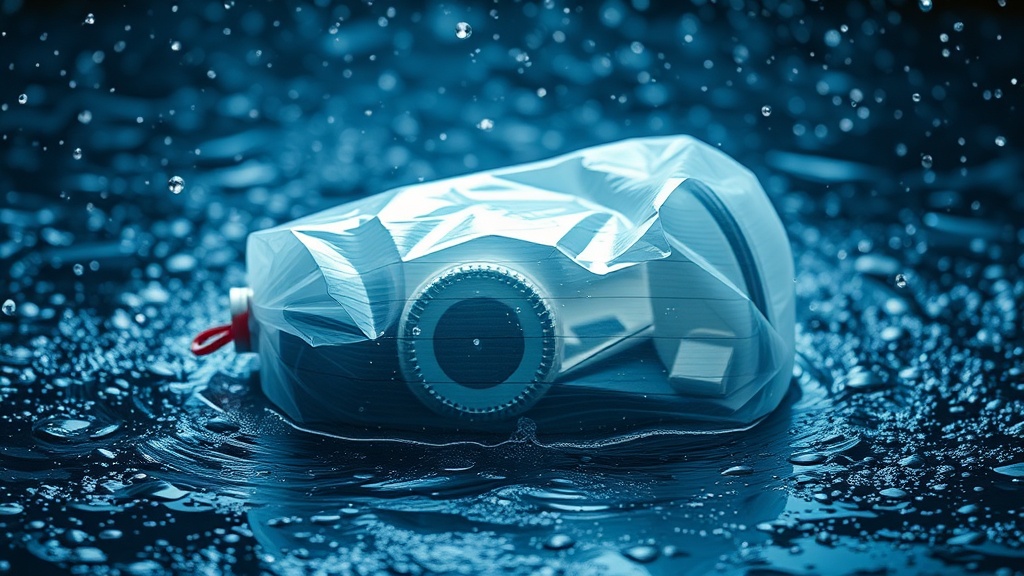
Why You Should Use a Dry Bag for Your Electronics

Quick Tip
Always store your most expensive electronics in a dedicated dry bag to prevent water damage from rain or spills.
The Myth of the "Water-Resistant" Backpack
Many hikers operate under the dangerous assumption that a "water-resistant" backpack or a standard rain cover is sufficient to protect expensive electronics. This is a mistake. In the Cascades, a sudden downpour or a heavy mist near a high-altitude ridge can easily bypass standard nylon coatings. If you are relying on a rain cover alone, you are one unexpected storm away from a dead GPS, a ruined smartphone, or a useless satellite messenger. A dedicated dry bag is not an optional luxury; it is a critical piece of gear for technical reliability.
Why Standard Protection Fails
Standard rain covers are designed to deflect heavy droplets, but they do not create a vacuum seal. Wind can force moisture through the gaps in your pack's zippers, and condensation can build up inside the bag during temperature shifts. When hiking through damp environments like the Olympic Peninsula, even the humidity alone can seep into unprotected electronics. A dry bag provides a secondary, airtight layer of defense that ensures your navigation tools remain functional regardless of the weather.
Selecting and Using the Right Gear
When choosing a dry bag for your electronics, look for specific technical specifications rather than just aesthetics. Follow these protocols to ensure your gear stays functional:
- Material Density: Look for heavy-duty TPU (Thermoplastic Polyurethane) rather than cheap PVC. TPU is more durable, stays flexible in cold temperatures, and offers better puncture resistance.
- Closure Systems: Ensure the bag uses a reliable roll-top closure. Brands like Sea to Summit or Exped are industry standards for a reason—their seals are tested for consistent performance.
- Size Optimization: Do not buy a bag that is too large. A massive bag with only a small phone inside will trap more air, making it bulky and difficult to pack. A small, 2L or 5L bag is ideal for a phone, power bank, and charging cables.
- The Double-Bag Method: For maximum security during multi-day treks, place your electronics in a small dry bag, then place that bag inside a larger one. This creates a redundant system that protects against total gear failure.
Protecting your electronics is a matter of logistics and preparedness. Just as you would pack an extra pair of socks to manage moisture against your skin, you must manage moisture against your vital navigation technology. If your GPS fails due to water ingress, your ability to navigate technical terrain is compromised. Treat your electronics with the same level of precision you apply to your footwear and shelter.