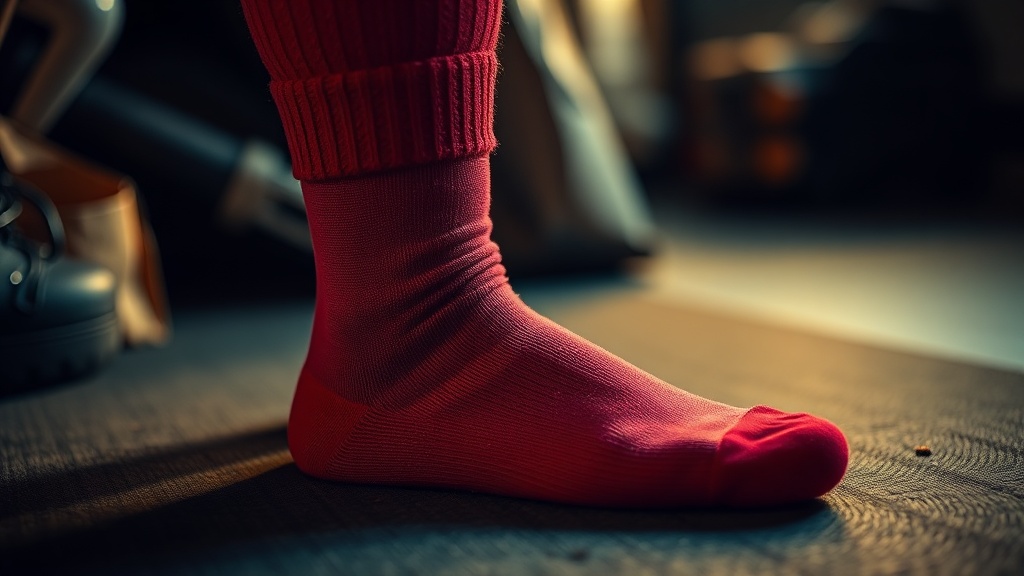
Why You Should Always Pack an Extra Pair of Socks

Quick Tip
Always keep one pair of dry socks in a waterproof bag specifically for sleeping or emergencies.
A single soaked sock can increase your risk of developing a blister by over 50% due to the increased friction and skin maceration. This post outlines why carrying a dry, spare pair of socks is a non-negotiable requirement for any serious trek in the Cascades, particularly when navigating unpredictable weather patterns or river crossings.
The Mechanics of Foot Failure
Moisture is the primary enemy of foot integrity. Whether it comes from heavy perspiration during a steep ascent up Mount Si or from an unexpected downpour, wet feet lead to two critical issues: maceration and friction. Maceration occurs when the skin becomes soft, white, and fragile due to prolonged moisture exposure, making it highly susceptible to tearing. When this is combined with the constant movement of your foot inside a boot, you are almost guaranteed to develop debilitating blisters.
If you feel your feet becoming damp, you must address it immediately. Refer to our guide on protecting your feet from blisters to understand how moisture management is your first line of defense.
When to Deploy Your Spare Pair
Do not wait until you are at your campsite to change your socks. In the backcountry, proactive maintenance prevents injury. Use your extra pair in the following scenarios:
- Post-River Crossing: If you have to wade through a stream or step in a deep puddle, your socks are likely compromised.
- High-Exertion Sections: If you notice significant sweat accumulation during a heavy climb, a mid-hike change can reset your comfort level.
- Temperature Drops: If you are transitioning from a high-output climb to a stationary rest period, dry socks will help maintain thermal regulation.
Recommended Gear Specifications
Not all socks are created equal. To ensure your spare pair actually performs when needed, adhere to these technical standards:
- Material: Never use cotton. Cotton absorbs and holds moisture, which is a recipe for disaster. Stick to Merino wool (such as Darn Tough or Smartwool) or high-quality synthetic blends.
- Thickness: Match the weight of your spare socks to your boots. If you are wearing heavy mountaineering boots, your spare should be a heavy-duty liner or hiking sock, not a thin running sock.
- Storage: Keep your spare pair in a dedicated, waterproof dry bag or a heavy-duty Ziploc bag inside your pack. A spare pair of socks is useless if they are also soaked when you reach for them.
Precision in your gear selection and kit organization prevents minor discomfort from turning into a mission-ending injury. Pack the extra pair every single time.