Why You Should Always Bring a Water Filter on Every Hike

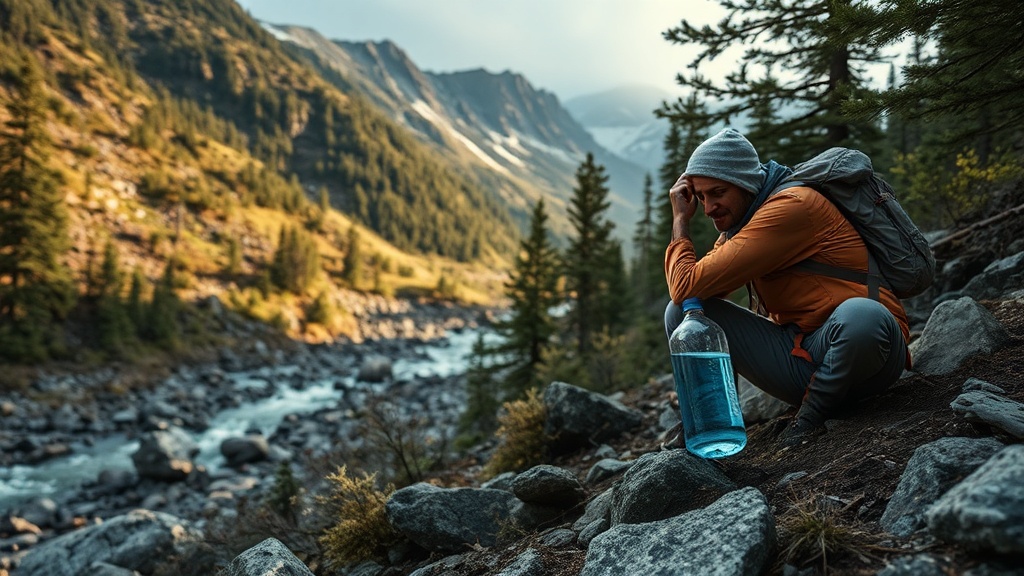
A hiker reaches a high-altitude ridge in the North Cascades, feeling the physical strain of a 2,000-foot ascent. They check their hydration bladder and realize it is empty. Looking down at a nearby snowmelt stream, the water appears crystal clear and pristine. They decide to drink directly from the stream to save time. Six hours later, they are dealing with acute gastrointestinal distress, dehydration, and the inability to maintain their pace, forcing an unplanned and dangerous descent in fading light. This post explains why relying on visual clarity is a tactical error and why a dedicated water filtration system is a non-negotiable piece of safety equipment for every trek.
In the logistics industry, failure is often the result of a single uncalculated variable. In the backcountry, that variable is often biological contamination. Whether you are hiking a loop in the Alpine Lakes Wilderness or a long-distance trek in the High Sierras, you cannot guarantee the safety of the water sources you encounter. This guide breaks down the specific biological threats present in mountain water, the different types of filtration technology available, and how to choose the right system based on your specific route requirements.
The Invisible Threats in Mountain Water
The most common mistake hikers make is assuming that "clear" water is "clean" water. Visual clarity is an unreliable indicator of biological safety. Even in the most remote parts of the Cascades or the Rockies, water sources are subject to contamination from three primary sources: wildlife, livestock, and human activity.
Protozoa and Parasites
The two most significant threats to hikers are Giardia duodenalis and Cryptosporidium. These are microscopic protozoan parasites found in the feces of mammals, including deer, elk, and beavers. Giardia is notorious for causing severe abdominal cramps, bloating, and diarrhea. While it may not be immediately fatal, the resulting dehydration and exhaustion can be life-threatening if you are miles from a trailhead or navigating technical terrain. Cryptosporidium is similarly resilient and can be difficult to neutralize with basic chemical treatments alone.
Bacteria
Bacteria such as E. coli and Salmonella are common in water sources near grazing areas or high-traffic campsites. These organisms are smaller than many protozoa, meaning your filtration method must have a pore size small enough to physically block them. If you are hiking in areas with high livestock density, the risk of bacterial contamination increases significantly.
Viruses
While viruses are less common in high-altitude wilderness areas compared to lower-elevation river systems, they are still a factor, especially if you are near human settlements or heavy recreational use areas. Most standard hollow-fiber filters do not remove viruses; for total protection, you would need a purifier rather than a simple filter.
Types of Water Treatment Systems
Choosing a system requires understanding the distinction between "filtering" (removing particles) and "purifying" (killing all biological organisms). For most day hikes and multi-day backpacking trips, a high-quality filter is sufficient, but you must know the limitations of your gear.
Hollow Fiber Membrane Filters
These are the most popular choice for lightweight backpackers. They use tiny tubes with microscopic pores to physically strain out bacteria and protozoa. They are incredibly fast and lightweight, but they are susceptible to freezing. If water freezes inside the filter, it can expand and crack the internal membranes, rendering the device useless without any outward sign of damage.
- Example Product: Sawyer Squeeze
- Best For: Lightweight backpacking and long-distance thru-hiking.
- Pros: Extremely lightweight, fast flow rate, highly durable.
- Cons: Cannot remove viruses; can be destroyed by freezing.
Pump Filters
Pump filters are the heavy-duty option. They require you to manually pump a handle to force water through a ceramic or pleated element. These are excellent for groups because they can process large volumes of water quickly. They are generally more robust than hollow fiber filters but add significant weight to your pack.
- Example Product: Katadyn Vario
- Best For: Group treks or when water is highly turbid (cloudy/sandy).
- Pros: High volume capacity, more resistant to clogging.
- Cons: Heavier, more mechanical parts that can fail.
UV Purifiers
UV purifiers use ultraviolet light to disrupt the DNA of bacteria, protozoa, and viruses, making them unable to reproduce. These are incredibly effective at neutralizing viruses, which many mechanical filters miss. However, they require clear water to work effectively; if the water is turbid or contains sediment, the light cannot penetrate the particles to kill the organisms.
- Example Product: SteriPen Ultra
- Best For: Travelers who need virus protection and are hiking in clear water.
- Pros: Kills viruses, very lightweight.
- Cons: Requires batteries, ineffective in cloudy water.
Chemical Treatment
Chemical treatments, such as Chlorine Dioxide tablets or liquid drops, are the lightest option. They work by chemically neutralizing biological threats. While effective, they are the slowest method, often requiring 30 minutes to 4 hours of wait time before the water is safe to drink. They also leave a distinct chemical aftertaste.
Selecting the Right Tool for Your Route
When deciding which system to pack, do not just grab the lightest one. You must perform a tactical assessment of your planned route. Consider the following three factors:
- Water Availability: If your route involves long stretches between reliable water sources, such as high-altitude ridges in the Enchantments, you need a system with a high flow rate so you can fill up quickly and move on.
- Water Quality: If you are hiking in a valley with heavy sheep or cattle grazing, you should prioritize a system that can handle higher levels of organic matter or one that includes a pre-filter to prevent clogging.
- Group Size: A single Sawyer Squeeze is great for one person, but if you are part of a group of four, you will spend a significant amount of time waiting for water to be processed. In this scenario, a pump filter or multiple lightweight filters are more efficient.
It is also vital to consider how your water system affects your overall pack weight. A heavy pump filter might be necessary for a group, but you should offset that weight elsewhere. If you are struggling with a heavy load, check out our guide on 7 ways to keep your backpack from feeling too heavy to ensure your gear distribution is optimized.
Maintenance and Field Reliability
A water filter is a mechanical tool, and like any tool, it requires maintenance to remain functional. If you fail to maintain your gear, you are essentially carrying dead weight.
Preventing Freeze Damage
This is the most common cause of field failure. If you are hiking in late autumn or high elevation, you must keep your filter in an insulated part of your pack, or even inside your sleeping bag at night. If you suspect your filter has frozen, do not assume it still works. Perform a test soak or, if you are in a survival situation, rely on chemical treatment instead.
Backflushing and Cleaning
If you notice the flow rate slowing down, your filter is likely clogged with sediment or biofilm. Most hollow fiber filters come with a syringe for backflushing. This involves forcing clean water backward through the filter to clear the pores. Do this regularly during your trip, not just when the flow stops completely. If you are carrying electronics or sensitive gear, ensure you are using a dry bag for your electronics to prevent any accidental spills during the cleaning process.
Storage and Long-term Care
When you return from a trip, do not simply throw your filter in a drawer. Thoroughly clean it, backflush it one last time with clean water, and allow it to dry completely. Storing a damp filter can lead to mold and bacterial growth inside the device, which will ruin it for your next excursion.
Final Checklist for Water Safety
Before you head out on your next trek, run through this checklist to ensure your hydration strategy is sound:
- Check the Pore Size: Ensure your filter is rated at 0.1 microns or better to catch bacteria and protozoa.
- Verify the Method: If you are in an area with high human or livestock density, ensure you have a way to neutralize viruses (UV or chemical).
- Pack Redundancy: If you are going on a multi-day trip, consider carrying a small pack of Chlorine Dioxide tablets as a backup in case your primary filter fails or freezes.
- Test the Flow: Before leaving the trailhead, do a quick test to ensure your filter is functioning correctly.
The goal of hiking is to enjoy the natural landscape, not to spend your time recovering from preventable illnesses. Treat your water filtration as a critical component of your safety kit, just as important as your navigation tools or your first aid kit. Precision in preparation prevents catastrophe in the field.