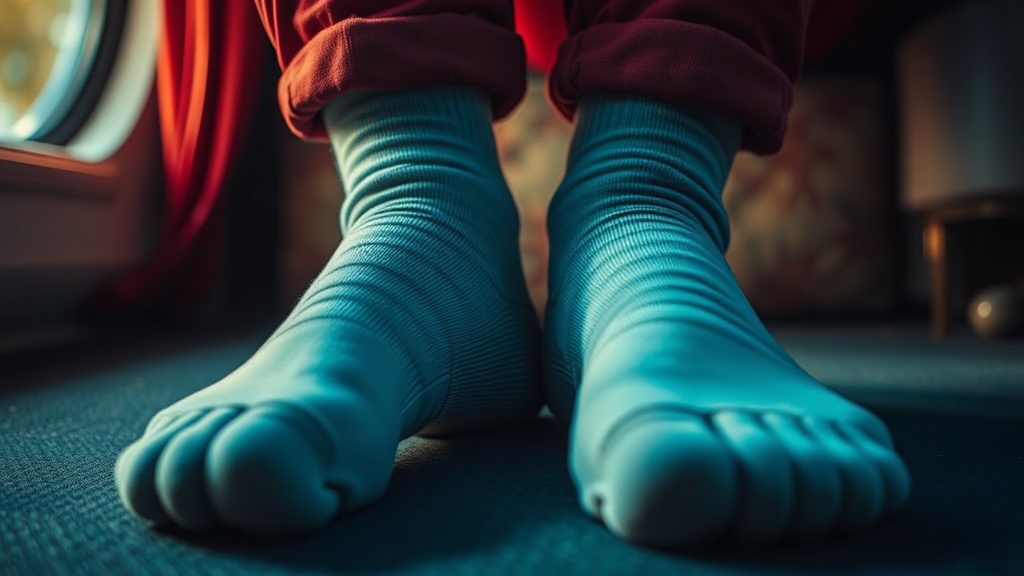
Why You Should Always Pack a Spare Pair of Socks

Quick Tip
Always carry at least one dry, dedicated pair of socks kept in a waterproof bag for emergencies.
The Critical Role of Footwear Hygiene
Blisters account for approximately 60% of all common hiking injuries, and moisture is the primary catalyst. This guide explains why a spare pair of socks is not a luxury, but a fundamental piece of safety gear designed to prevent skin breakdown and maintain thermal regulation in the Cascades or any damp environment.
The Mechanics of Foot Failure
When your socks become saturated with sweat or external water, the friction coefficient between your skin and the fabric increases. This leads to "hot spots" and eventually full-blown blisters. In high-alpine environments like the North Cascades, wet feet also lead to rapid heat loss through conduction. Even if the ambient temperature is above freezing, wet feet can trigger mild hypothermia if you are stationary or moving slowly through heavy brush.
A dry pair of socks acts as a failsafe. If you encounter a creek crossing or heavy rainfall, switching to dry Merino wool socks restores the moisture-wicking properties necessary to keep your feet functioning. For those interested in optimizing their gear weight, you can learn more about avoiding overpacking your daypack, but a single pair of socks should never be cut from your list.
Selection and Implementation
Do not pack cotton. Cotton absorbs water and stays heavy and wet, which accelerates skin maceration. Instead, prioritize high-quality synthetic or Merino wool blends. I recommend the following specifications:
- Material: Merino wool (e.g., Darn Tough or Smartwool) for natural odor resistance and thermal regulation.
- Construction: Seamless toe boxes to minimize friction points.
- Weight: Mid-weight for durability and cushioning during long descents.
Practical Execution
To use your spare socks effectively, follow these steps:
- Identify the trigger: Do not wait for a blister to form. If you feel a "hot spot" or notice your current socks are heavy with moisture, stop immediately.
- Dry the skin: Before putting on the new socks, use a small microfiber towel or a clean part of your base layer to wipe the moisture from your feet.
- Storage: Keep your spare socks in a dedicated waterproof dry bag or a heavy-duty Ziploc bag inside your pack. This ensures they remain functional even if your pack takes a soak during a storm.
Treating your feet as a critical system is the difference between a successful summit and a forced retreat. Precision in your packing list prevents preventable injuries.