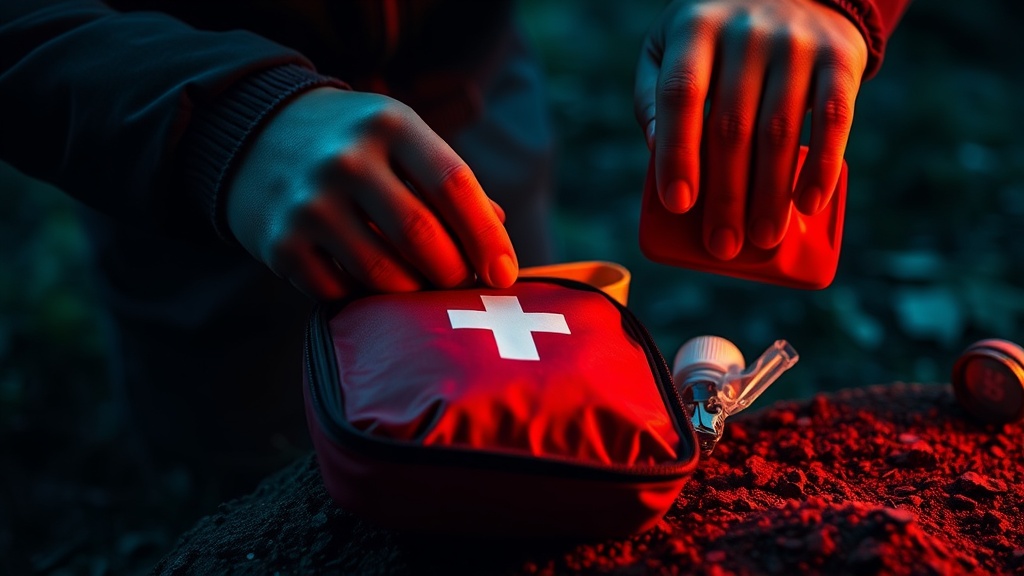
Why You Should Always Carry a Small First Aid Kit

A hiker slips on a damp basalt ledge near Sahale Arm in the North Cascades. A jagged rock edge slices through a heavy trekking pole strap and deep into the skin of the forearm. The bleeding is steady—not a catastrophic arterial spray, but enough that a simple bandage won't hold. Without a dedicated first aid kit, this minor mishap turns into a high-stress situation involving blood-soaked clothing and a frantic, slippery descent. This post outlines why a compact, high-quality first aid kit is a non-negotiable piece of gear for every hiker and exactly what you should pack to handle common trail injuries effectively.
The Reality of Trail Injuries
The Cascades and similar mountain ranges are unforgiving environments. Even on "moderate" trails, the margin for error is slim. Most hiking injuries are not the result of massive falls, but rather small, compounding issues: a blister that prevents walking, a minor laceration that becomes infected, or a sprain that limits mobility. If you cannot walk out on your own feet, you are now a liability to your group and a potential rescue subject for Search and Rescue (SAR). A small first aid kit is your first line of defense to ensure a minor incident stays minor.
Relying on "luck" or assuming you will find a solution in your backpack's miscellaneous pocket is a failure in preparation. Whether you are hiking the Enchantments or a local state park, the goal of a kit is to provide immediate stabilization. You are not trying to perform surgery in the woods; you are attempting to stop bleeding, manage pain, and protect vulnerable skin until you reach a trailhead or medical professional.
The Essential Components of a Compact Kit
Efficiency in a kit is measured by the ratio of utility to weight. You do not need a massive, pre-packaged kit from a big-box retailer, which often contains useless items like bulky scissors or cheap, flimsy tweezers. Instead, build a kit based on specific, high-utility items. A lightweight, waterproof dry bag or a small silicone pouch is the ideal housing for these items.
Wound Care and Hemorrhage Control
Lacerations are the most common injury. A sharp rock or a stray branch can easily break the skin. You must have tools to clean and seal these wounds.
- Adhesive Bandages: Pack a variety of sizes, including specialized "knuckle" bandages for finger injuries. Brands like Band-Aid or Curad are standard, but ensure they are waterproof.
- Sterile Gauze Pads: Carry at least two 3x3 inch sterile gauze pads. These are essential for larger scrapes where a standard bandage fails.
- Medical Tape: A small roll of Transpore or Micropore tape is necessary to secure gauze.
- Antiseptic Wipes: Alcohol pads or BZK (Benzalkonium chloride) wipes are needed to clean the area around a wound. Never pour high-concentration alcohol directly into a deep wound, as it damages tissue, but use it to sanitize the perimeter.
- Antibiotic Ointment: A small travel-sized tube of Neosporin or Bacitracin helps prevent infection in minor cuts.
Blister Management
Blisters are the primary reason hikers turn back prematurely. A poorly managed blister can lead to skin sloughing and significant pain. Do not rely on standard band-aids for blisters; they will slide off with sweat and friction.
- Moleskin or Leukotape: Leukotape is highly recommended by many experienced hikers because of its extreme adhesion even when damp. It is much more effective than standard moleskin for preventing friction.
- Hydrocolloid Bandages: Products like Compeed are excellent for treating an existing blister. They act as a second skin and provide cushioning.
- Alcohol Prep Pads: Use these to clean the skin before applying any adhesive to ensure it sticks despite sweat and oils.
Medication and Pain Management
Pain management is about maintaining the ability to move. If a hiker is in too much pain to walk, the hike is over. However, medication should be used judiciously.
- Ibuprofen (Advil/Motrin): An anti-inflammatory is crucial for swelling from sprains or minor muscle aches.
- Acetaminophen (Tylenol): Useful for general pain relief and fever reduction.
- Antihistamines: A small packet of Diphenhydramine (Benadryl) is vital for unexpected allergic reactions to insect stings or plant contact.
Tools and Miscellaneous Essentials
Sometimes, the injury requires a mechanical solution rather than a chemical one.
- Fine-Point Tweezers: Essential for removing splinters or ticks. Do not use your fingers; you need precision to avoid pushing the object deeper.
- Safety Pins: Useful for various repairs, from fixing a torn strap to securing a bandage.
- Small Scissors: While many kits include bulky scissors, a pair of small, high-quality trauma shears or even a sturdy multi-tool with a blade is more weight-efficient.
How to Use Your Kit Effectively
Having the gear is only half the battle. You must understand the basic protocols for use. If you are treating a wound, the priority is Clean, Treat, Protect. First, clean the area to prevent infection. Second, apply your treatment (ointment or medication). Third, protect the area from further friction or debris.
For a sprain, remember the RICE method (Rest, Ice, Compression, Elevation), though "Ice" is often impossible on a trail. In a hiking context, focus heavily on Compression. An elastic bandage (like an Ace wrap) can provide the stability needed to limp back to the trailhead. If you find yourself needing to use your kit for a significant injury, this is a good time to check your surroundings and ensure you are not in a dangerous position, such as near a cliff edge or in a drainage area prone to flash floods. Carrying a whistle is also vital at this stage to signal for help if your mobility is severely compromised.
Common Mistakes to Avoid
The most frequent mistake is "kit bloat"—carrying items that are heavy and unnecessary. Do not carry a full bottle of ibuprofen; use small, individual packets. Do not carry a large first aid manual; instead, rely on your training and basic logic. Another mistake is neglecting to check your kit. Every season, before your first major hike, go through your kit. Check expiration dates on medications and ensure your antiseptic wipes haven't dried out. A dried-out wipe is useless in a crisis.
Furthermore, do not assume that a "standard" kit from a retail store is sufficient. Most of these kits are designed for office or home use, not for the high-moisture, high-friction environment of a mountain trail. Always inspect the quality of the adhesives and the waterproof integrity of the packaging. If you are hiking in the Cascades, moisture is a constant. If your bandages get wet in your pack, they are useless. Use a truly waterproof container.
Final Checklist for Your Kit
Before you head out, run through this mental checklist to ensure your kit is optimized for the terrain:
- Is it waterproof? If I drop this in a stream, will the contents remain dry?
- Is it accessible? Can I reach this without dumping out my entire pack?
- Is it lightweight? Am I carrying anything that doesn't serve a direct medical purpose?
- Do I have enough? Do I have at least two of each critical item (gauze, bandages, etc.)?
A well-constructed first aid kit is not a sign of pessimism; it is a sign of professional preparation. Whether you are a weekend warrior on a local trail or an experienced backpacker, the ability to manage a minor injury can be the difference between a story about a "tough day" and a traumatic call to emergency services. Pack your kit with the same precision you use to pack your food and water, and never leave the trailhead without it.