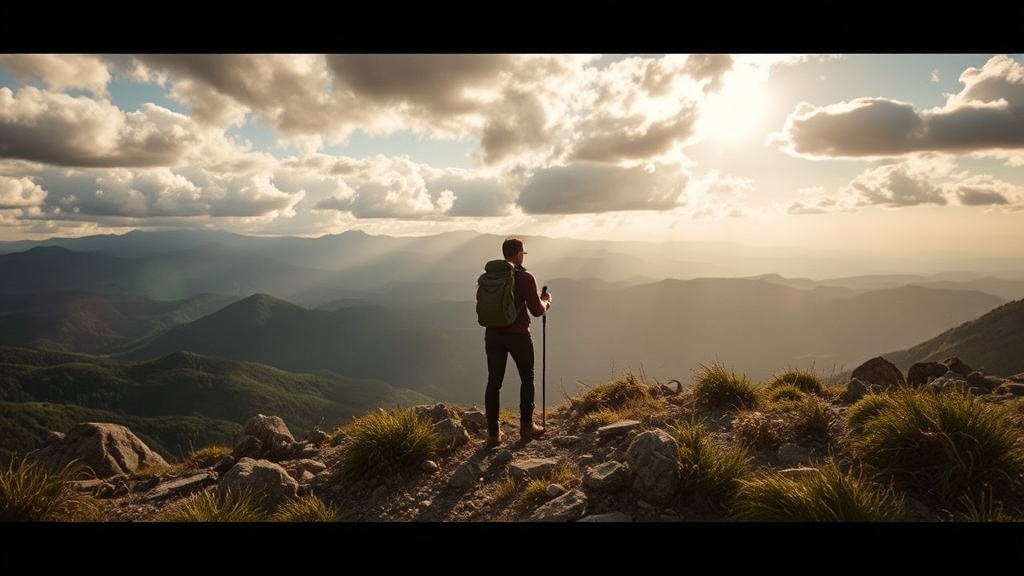
Unpacking the Truth of a Trail Rating: More Than Just Miles

Many hikers, especially those new to the Cascades, mistakenly believe a trail's difficulty is solely determined by its mileage and elevation gain. It’s an easy trap to fall into; online guides and apps often highlight these two metrics above all else. But focusing only on numbers can leave you woefully unprepared for the genuine challenges a mountain path presents. True trail difficulty is a complex interplay of environmental factors, technical demands, and personal readiness that simple statistics just can't convey. This discussion will pull back the curtain on what really makes a trail tough, helping you approach your next adventure with a clearer, more informed perspective.
How Do Trail Ratings Misrepresent Real-World Challenges?
Trail ratings, whether they’re ‘easy,’ ‘moderate,’ or ‘strenuous,’ are a starting point, not the full story. They often simplify what can be a highly variable experience, sometimes leading to a false sense of security. The printed number on a map or an app rarely accounts for the dynamic nature of mountain environments.
Technical Terrain Isn't Just 'Steep'
Sure, steepness adds to the burn in your quads, but it’s just one piece of the puzzle. Technical terrain involves a completely different set of physical and mental demands. We’re talking about sustained rock scrambles where you’re using your hands, negotiating unstable scree slopes that move with every step, or traversing sections with significant exposure—narrow ledges where a slip carries serious consequences. A trail might have a seemingly moderate elevation profile, yet include Class 3 scrambling that transforms it into a completely different beast. You don’t just walk these sections; you climb, balance, and often make deliberate, calculated movements. These elements demand agility, balance, and a steady head, far beyond what simple cardio prepares you for. Without prior experience or a clear understanding of what’s ahead, these sections can quickly turn a pleasant walk into a perilous undertaking.
The Silent Killer: Microclimates and Sudden Weather Shifts
The Cascades are famous for their rapidly changing weather, a characteristic that’s frequently underestimated. A sunny forecast for the valley floor often has little bearing on conditions at 6,000 feet or higher. Mountains create their own weather systems—microclimates—that can shift dramatically within hours, sometimes even minutes. You might start your hike under clear skies, only to find yourself engulfed in a whiteout fog, a freezing downpour, or even unexpected snowfall halfway up. Rapid temperature drops are common once the sun dips or clouds roll in, and what felt like a warm day can quickly become hypothermia-inducing cold. Checking the general forecast isn't enough; you must consult specialized mountain weather predictions like those offered by