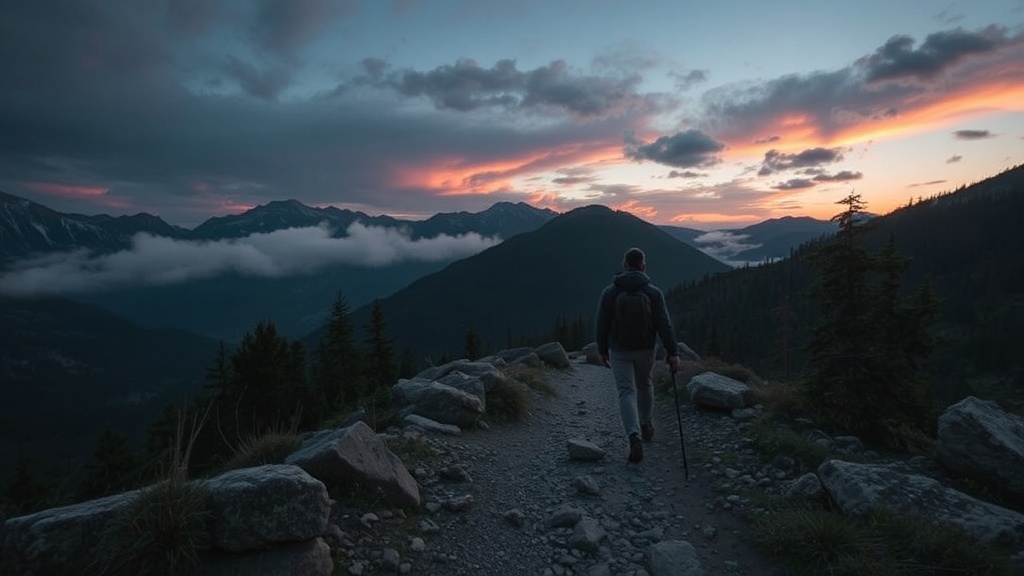
Trailside Traps: Common Errors to Sidestep in Mountain Environments

Navigating the Trail: Avoiding Frequent Missteps in the Cascades
This guide will illuminate the most common miscalculations and oversights hikers make in challenging mountain environments like the Cascades, providing practical, actionable strategies to circumvent these pitfalls. Understanding and mitigating these recurring issues is not merely about comfort; it's about ensuring your safety, preserving the natural beauty of our trails, and fostering a reliable, enjoyable outdoor experience for everyone. As a former logistics manager, I've observed that many trail-related incidents stem not from unpredictable events, but from a cascade of preventable errors. Let's dissect these common mistakes and equip you with the precision needed for a successful trek.
Why is proper pre-trip planning often overlooked?
One of the most persistent issues I encounter is the inadequate commitment to thorough pre-trip planning. Many hikers, especially those new to more demanding terrain, tend to underestimate the sheer variability of mountain conditions and the critical importance of a well-conceived itinerary. It’s not enough to simply pick a trail; you need to understand its specific demands. This includes researching the route's elevation profile, potential water sources, bailout points, and — crucially — recent trail reports. Is there snow lingering at higher elevations? Are stream crossings swollen? Has a recent storm downed trees?
Ignoring these factors can turn a moderate hike into a significant ordeal. For instance, a seemingly straightforward 10-mile loop can become treacherous if half of it is covered in unstable scree or if a key bridge is out. Beyond the physical trail, meticulous weather forecasting is non-negotiable. Mountain weather systems are notoriously fickle; what begins as a clear, sunny morning can rapidly devolve into a cold, wet, and windy afternoon. Rely on official sources like the