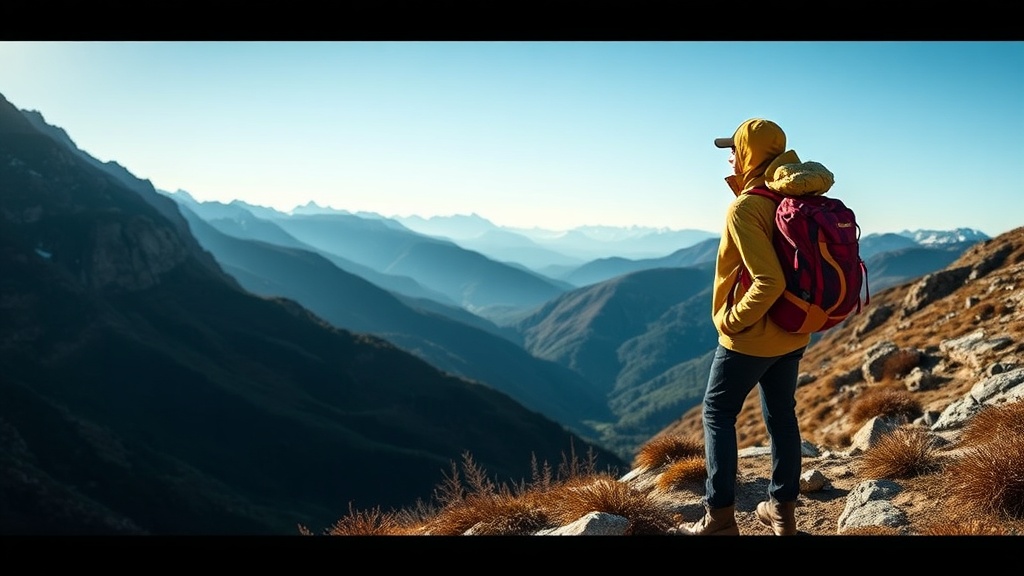
The Two-Layer Rule: Dress Smarter for Every Hike
Quick Tip
Always pack one layer more than you think you'll need, and one layer less than you're wearing when you start—shed before you sweat, add before you freeze.
The Problem with Over-Layering
Layering systems have grown unnecessarily complex. Many hiking guides recommend base, mid, and shell layers for every outing, which adds weight, cost, and decision fatigue. The Two-Layer Rule simplifies this: one breathable base layer paired with one weather-appropriate outer layer. This post breaks down when this system works, what fabrics to choose, and why most three-season hikers in the Cascades carry excess clothing.
How the Two-Layer System Works
The system relies on two pieces working in tandem. The base layer manages moisture. The outer layer handles wind, rain, or sun. Skip the insulating mid-layer unless temperatures drop below 40°F (4°C) during active hiking.
Base Layer: Merino Wool vs. Synthetic
Merino wool (150–200 gsm) regulates temperature across 45°F to 75°F swings. Brands like Smartwool and Icebreaker source wool from New Zealand sheep with fiber diameters of 17.5 microns—fine enough to prevent itching. Synthetic polyester (Capilene, Dri-FIT) dries 50% faster than wool but retains odor after 8–10 hours of use.
Data from the Pacific Crest Trail thru-hiker survey (2024) shows 67% of successful northbound hikers carried only two layers for the 2,650-mile journey through desert, Sierra, and Cascades.
Outer Layer Selection by Condition
| Condition | Layer Type | Fabric Specs |
| Rain (steady) | Hardshell | 3-layer Gore-Tex, 20,000mm+ HH |
| Wind (20+ mph) | Wind shirt | Nylon ripstop, 30–50 CFM |
| Sun/brush | Long-sleeve shirt | UPF 50+, nylon or poly |
When to Break the Rule
Two layers fail below freezing with wind chill. On Mount Rainier's Disappointment Cleaver route or Mount Baker's Easton Glacier, temperatures hit -10°F with wind. Add a lightweight synthetic puffy (60–80g fill) as a static layer for breaks and emergencies.
Weight Savings Breakdown
- Three-layer kit: 24–32 oz (base + fleece + shell)
- Two-layer kit: 14–18 oz (base + multi-purpose outer)
- Saved weight: 10–14 oz (equivalent to a day's food or 0.6L water)
Practical Testing
On a 15-mile loop of Cascade Pass to Stehekin in September, temperatures ranged from 38°F at dawn to 72°F by noon. A hiker wearing merino base (Icebreaker 175) plus wind shirt (Patagonia Houdini, 3.7 oz) stayed comfortable throughout. The wind shirt blocked 15mph gusts at Pelton Basin while breathing well enough to prevent sweat buildup on the 2,200-foot climb to Cascade Pass.
Carry the puffy in the pack. Wear it only when stopped. Sweating through insulation on a climb turns a safety layer into a liability.
Quick Reference
- Above 60°F: Synthetic base + sun shirt or go sleeveless
- 45–60°F: Merino base + wind shirt
- 35–45°F: Merino base + hardshell (unvented during exertion)
- Below 35°F: Add synthetic puffy; keep it dry
Test the system on a familiar 5-mile loop before committing to a multi-day trek. Adjust based on personal sweat rate—some hikers run 10°F warmer than others during exertion.