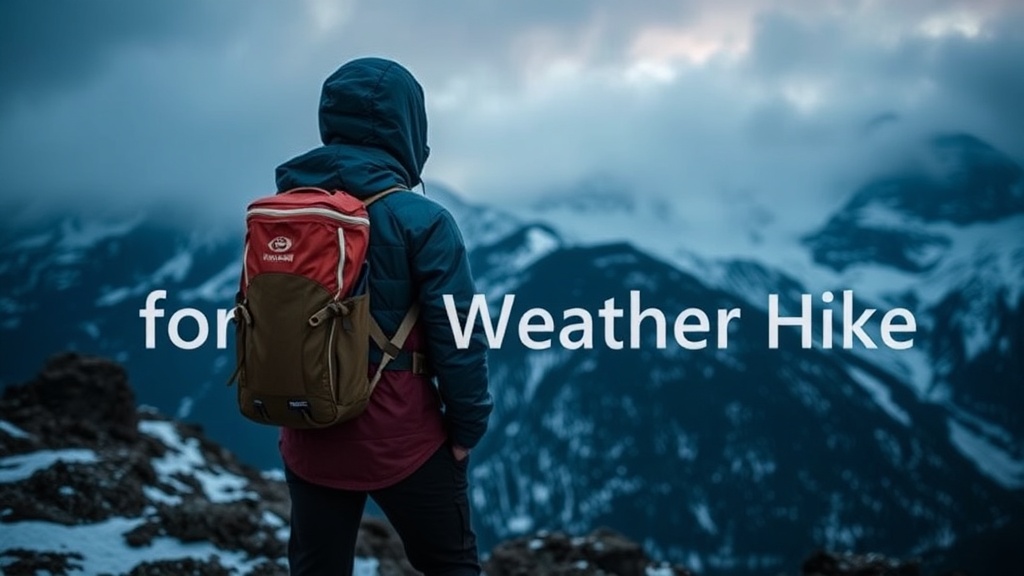
Master the Three-Layer System for Any Weather Hike

Quick Tip
Always carry all three layers even on warm days, as mountain weather can change rapidly and hypothermia is a real risk.
The three-layer system keeps you dry, warm, and alive on Cascades trails where weather shifts fast. This guide breaks down base, mid, and shell layers—what each does, what materials actually work, and how to pack for conditions that flip from sunshine to sleet in twenty minutes. No marketing fluff. Just what keeps hypothermia at bay when you're six miles from the trailhead.
What Is the Three-Layer System for Hiking?
The three-layer system combines a moisture-wicking base layer, an insulating mid layer, and a weather-blocking outer shell. Each layer has one job: move sweat out, trap heat, or block wind and rain. Stack them right and you can handle anything from a drizzly October trek around Rattlesnake Ledge to a blustery December summit of Mailbox Peak.
Here's the thing—cotton kills. It holds moisture, loses insulating value when wet, and sucks body heat away fast. That's why serious hikers skip the cotton tee and reach for synthetics or wool instead.
| Layer | Function | Best Materials | Examples |
|---|---|---|---|
| Base | Moisture management | Merino wool, polyester | Smartwool Classic Thermal, Patagonia Capilene Midweight |
| Mid | Insulation | Down, fleece, synthetic fill | The North Face ThermoBall, Arc'teryx Atom LT |
| Shell | Weather protection | Gore-Tex, eVent, nylon | REI Co-op Rainier, Outdoor Research Foray |
Which Base Layer Material Works Best for Sweaty Hikers?
Merino wool beats synthetic for odor control and comfort across temperature swings, but synthetic dries faster and costs less. Smartwool's 150-weight merino handles three-day backpacking trips without smelling like a locker room. Patagonia's Capilene line dries in minutes if you fall in a creek crossing.
The catch? Merino wears out faster. It pills, thins at friction points (think shoulder straps), and costs more upfront. Budget hikers often grab a REI Co-op Sahara tee and call it good for day hikes. That said, for multi-day trips above treeline, merino's worth the extra cash.
Do You Need a Waterproof Shell or Is Windproof Enough?
You need waterproof for the Cascades—period. "Water-resistant" softshells fail in the steady, cold rain that soaks Washington's west slopes from October through June. A true waterproof-breathable shell (look for 20,000mm+ water column rating) keeps you dry when the sky opens up on the PCT.
But not all shells breathe equally. Gore-Tex Pro moves moisture better than budget coated fabrics, which matters when you're grinding uphill with a full pack. Worth noting: even the best shell traps sweat if you're overdressed underneath. Strip down before you sweat through.
Layering isn't complicated. It's logistics—match the system to the conditions, adjust before you get wet or cold, and carry a spare base layer in a dry bag. Get this right and you'll stay comfortable from trailhead to summit no matter what the mountain throws at you.