How to Layer Clothing for Year-Round Hiking Comfort
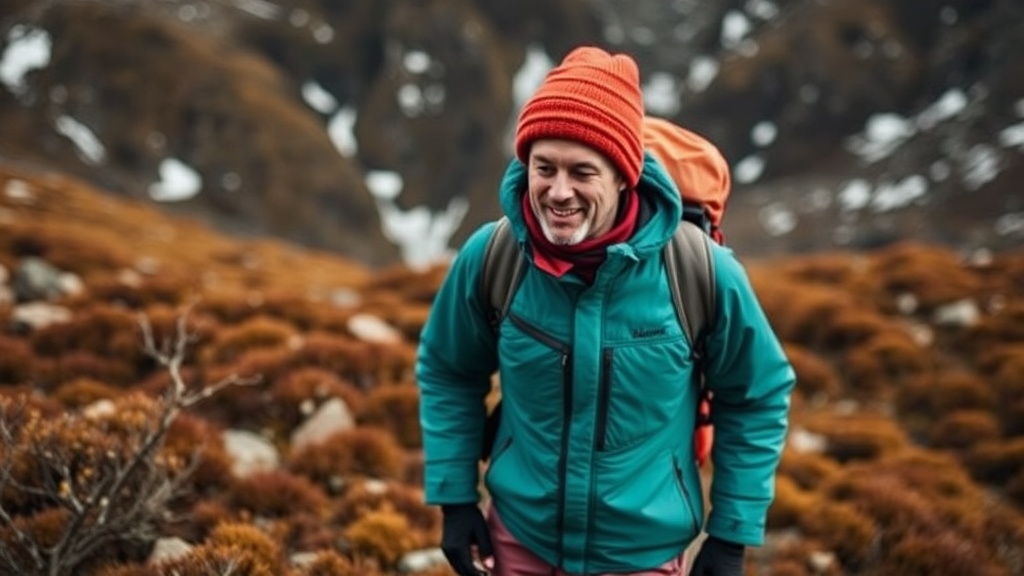
This post explains the three-layer clothing system for hiking: how to select base, mid, and outer layers that work together to regulate body temperature across seasons. Proper layering prevents hypothermia, reduces pack weight by eliminating redundant items, and keeps hikers comfortable through varying conditions and exertion levels. The information below applies to day hikes and multi-day treks in temperate mountain environments, with specific product examples and temperature ranges tested in the Cascade Range.
The Three-Layer System: How It Actually Works
The layering system operates on principles of moisture transport, thermal regulation, and weather protection. Each layer performs a distinct function, and understanding the mechanics prevents the common error of piling on thick garments that trap sweat and create dangerous cold conditions.
Base Layer: Moisture Management
The base layer sits against skin and manages perspiration. Cotton kills in backcountry conditions because it retains 7% of its weight in water and loses 90% of insulating value when wet. Synthetic fabrics like polyester and polypropylene wick moisture but retain odor. Merino wool (15.5–19 micron fiber diameter) moves moisture vapor while maintaining 80% insulating capacity when damp.
Weight specifications matter:
- Lightweight (150 gsm): Suitable for temperatures above 50°F (10°C) during high-output activities. Smartwool Classic All-Season ($90) and Icebreaker 150 Zone ($100) represent this category.
- Midweight (200 gsm): The versatile standard for three-season hiking between 30–50°F (-1–10°C). Patagonia Capilene Air ($129) and Smartwool 250 ($105) fall here.
- Heavyweight (250+ gsm): For temperatures below 30°F (-1°C) or stationary activities. Ibex Woolies 2 ($115) provides this density.
A typical 3-day spring hike in the Cascades between 2,000–5,000 feet elevation sees temperature swings from 28°F at dawn to 58°F midday. A 200 gsm merino long-sleeve handles this range when paired with proper mid and outer layers.
Mid Layer: Thermal Regulation
The mid layer traps dead air to retain body heat. Fleece and synthetic insulation dominate here due to their performance when damp.
Fleece options by weight:
- 100-weight fleece: Patagonia R1 Air ($129), 6.3 oz, breathable for high-output climbing or temperatures above 45°F.
- 200-weight fleece: The North Face Denali ($179), 12.4 oz, standard for general hiking.
- 300-weight fleece: Rarely necessary; better replaced with synthetic puff insulation.
Synthetic insulation: PrimaLoft Gold retains 90% warmth when wet and compresses to 25% of its loft volume. Arc'teryx Atom LT ($259) uses 60 g/m² Coreloft Compact, suitable for active use down to 20°F with proper base layer. The Outdoor Research Ascendant ($199) employs Polartec Alpha Direct (90 g/m²) for high-aerobic cold-weather activity.
Down insulation (fill power 650–900) provides the best warmth-to-weight ratio but fails catastrophically when wet. Save 800-fill down mid-layers for below-freezing conditions where precipitation falls as snow, not rain.
Outer Layer: Weather Protection
The shell layer blocks wind and precipitation while allowing moisture vapor escape. Waterproof/breathable membranes rate performance through two metrics: waterproofness (measured in millimeters of water column pressure) and breathability (measured in grams of moisture vapor transmission per square meter over 24 hours, or g/m²/24hr).
Hard shells:
- 3-layer Gore-Tex Pro: 28,000mm waterproofness, 17,000 g/m²/24hr breathability. Arc'teryx Beta LT ($450), 13.9 oz.
- 2.5-layer Gore-Tex Paclite: 20,000mm waterproofness, 15,000 g/m²/24hr. Outdoor Research Foray ($215), 10.8 oz.
Soft shells: Patagonia Nano-Air ($299) uses 60 g FullRange insulation with mechanical stretch. Wind resistance to 35 mph, water-resistant to light precipitation, breathability exceeds 30,000 g/m²/24hr. Ideal for dry cold conditions or high-output activity.
Material Deep Dive: Facts Over Marketing
Understanding fabric specifications prevents expensive purchasing errors.
Merino wool micron counts: Ultra-fine 15.5-micron fibers (Icebreaker Cool-Lite) feel softer against skin but wear faster at high-friction points (shoulder straps, hip belts). Standard 18.5-micron fibers (Smartwool Classic) balance comfort with durability for multi-day use.
Synthetic base layer treatments: Polygiene and HeiQ Fresh antimicrobial treatments extend wear between washes by 3–4 days. Untreated polyester develops odor within 24 hours of backpacking.
Down fill power reality: 800-fill down requires 30% less weight than 600-fill to achieve equivalent warmth. However, 800-fill garments use lighter, less durable face fabrics (typically 10–15 denier nylon versus 20–30 denier on 600-fill jackets).
Waterproof ratings explained: A 10,000mm rating withstands light rain and average snow. A 20,000mm rating handles heavy rain and wet snow. Pressure from backpack straps concentrates force; 20,000mm+ shells prevent saturation at shoulder contact points during hours-long precipitation.
Season-Specific Configurations
Spring and Fall (35–55°F, Variable Precipitation)
These seasons demand the most versatile systems due to temperature volatility and mixed precipitation.
Base: 200 gsm merino long-sleeve, 150 gsm merino boxer briefs ($45), lightweight synthetic hiking pants (prAna Stretch Zion, $89).
Mid: 100-weight fleece (Patagonia R1) or lightweight synthetic puffer (Arc'teryx Atom SL, $229, 7.4 oz).
Outer: Packable hard shell (Montbell Versalite, $199, 6.4 oz) carried in pack top pocket for sudden squalls.
Critical addition: Rain pants (Outdoor Research Helium, $119, 5.6 oz) when brush is wet or extended rain is forecast. Wet fabric against legs conducts heat 25 times faster than dry fabric.
Summer (60–85°F, Afternoon Thunderstorms)
Heat management and sun protection take priority. UV radiation increases 10–12% per 1,000 feet of elevation gain.
Base: 150 gsm merino or lightweight synthetic sun shirt (Outdoor Research Echo, $55, UPF 15). Long sleeves prevent sunburn and reduce evaporative cooling loss.
Mid: Typically unnecessary during hiking hours. Pack a windbreaker (Patagonia Houdini, $109, 3.7 oz) for ridgeline gusts and a lightweight fleece for rest stops above treeline.
Outer: Emergency rain jacket only. Frogg Toggs Ultra-Lite2 ($20, 9 oz) suffices for infrequent summer storms despite bulk and durability limitations.
Winter (15–35°F, Snow, Wind)
Cold weather amplifies layering errors. Hypothermia risk increases substantially when core temperature drops below 95°F.
Base: 250 gsm merino top and bottom (Smartwool Intraknit 250, $130). Synthetic base layers work but require changing into dry layers if sweat saturation occurs.
Mid: 200-weight fleece PLUS synthetic puffer for stops. The Patagonia DAS Light Hoody ($279, 10.5 oz) with 65 g PlumaFill insulation maintains warmth during static periods.
Outer: Hard shell mandatory. Ski-oriented jackets with powder skirts and helmet-compatible hoods add unnecessary weight for hiking. The Arc'teryx Beta AR ($599, 16.2 oz) provides 40D face fabric durability for bushwhacking.
Accessories: Merino buff (Icebreaker Flexi Chute, $30), waterproof mittens over liner gloves (Outdoor Research Versaliner, $55), and vapor barrier socks for multi-day winter treks.
The Modification Strategy: On-Trail Layering
Effective layering requires active management. The standard protocol: Be bold, start cold. Beginning a hike slightly chilled prevents immediate overheating and sweat accumulation.
The 15-minute rule: If not slightly chilled 15 minutes into hiking, remove a layer. If sweating continues, remove another. Sweat-soaked base layers require 45–60 minutes of dry conditions or camp time to recover full insulating value.
Rest stop protocol: Add a layer before stopping. Body heat generation drops 50% within 3 minutes of stopping. Put on a puffer jacket before reaching the viewpoint, not after shivering begins.
Summit and descent adjustments: Wind speed increases 10–15 mph on exposed ridgelines. Add wind shells before emerging from tree cover. Descents generate less body heat; add mid-layers at high points before dropping elevation.
"The best layering system is the one that spends most of its time in the pack. If every layer stays on all day, the system has failed."
Common Layering Errors
Over-layering at start: Hikers wearing three layers at the trailhead overheat within 20 minutes, soak base layers, then freeze during the first rest stop.
Cotton mid-layers: Hooded sweatshirts and denim jackets provide zero insulation when damp and require 4–6 hours to dry. Cotton retains moisture at 7 times its dry weight.
Non-breathable shells: PVC rain gear ($20 hardware store ponchos) traps perspiration, creating a tropical microclimate that soaks clothing from inside. This is more dangerous than moderate rain exposure with breathable layers.
Ignoring the extremities: 30% of body heat escapes through the head and neck. A 50-gram beanie provides more warming per ounce than adding an extra mid-layer. Cold hands often indicate a cold core—add torso insulation before thicker gloves.
Real-World System Examples
Three-Season Day Hike (Mount Si, Washington): 3,150 feet elevation gain, 8 miles round trip, temperatures 40–65°F.
- Base: Smartwool 250 crew, Patagonia Baggies Shorts liner
- Mid: Patagonia R1 Pullover (carried)
- Outer: Outdoor Research Helium Rain Jacket (carried)
- Total clothing weight: 2.1 lbs
Winter Snowshoe (Mount Tahoma Trails): 2,000 feet elevation gain, temperatures 18–32°F.
- Base: Icebreaker 250 zone top and bottom
- Mid: Arc'teryx Atom LT Hoody, Patagonia R1
- Outer: Arc'teryx Beta LT
- Accessories: OR Versaliner gloves, Buff, OR Seattle Sombrero
- Total clothing weight: 4.8 lbs
Summer Alpine (Cascade Pass): 3,600 feet elevation gain, temperatures 55–75°F, afternoon thunderstorms possible.
- Base: Outdoor Research Echo Hoody (UPF 15), lightweight synthetic tee (spare)
- Mid: Patagonia Houdini (wind)
- Outer: Frogg Toggs emergency jacket
- Total clothing weight: 1.4 lbs
Care and Longevity
Layering systems represent significant investment ($400–$1,200 for complete sets). Proper care extends functional life.
Wash merino every 3–5 days of use with Woolite or Nikwax Wool Wash. Machine agitation causes felting and shrinkage—use delicate cycles only. Restore DWR (durable water repellent) coatings on shells annually with Nikwax TX.Direct wash-in treatment. Store down garments uncompressed to maintain loft.
A well-maintained layering system functions effectively for 5–7 years of regular use. Inspect base layers annually for thinning at friction points; degraded fabric wicks 40% less efficiently.
Steps
- 1
Choose a moisture-wicking base layer
- 2
Add an insulating mid-layer for warmth
- 3
Top with a weatherproof outer shell