Daylight Saving Time Reset: Expert Tips to Sync Your Circadian Rhythm

Daylight Saving Time Reset: Expert Tips to Sync Your Circadian Rhythm
Hook: You’ve probably felt it already—your alarm rings an hour earlier, you’re groggy at sunrise, and the trailhead feels farther away. Daylight Saving Time (DST) isn’t just a calendar quirk; it’s a physiological jolt that can sap your energy and jeopardize safety on the trail.
Context: As a former logistics manager turned trail analyst, I treat my body like any other supply chain: if a critical node—your sleep schedule—gets out of sync, the whole operation suffers. Below are the exact steps I use to recalibrate my circadian rhythm after the March clock‑forward, backed by sleep science and field‑tested on countless spring hikes.
What is the science behind the DST “time jump”?
Daylight Saving Time shifts the external light cue that drives our master clock in the suprachiasmatic nucleus (SCN) of the brain. According to the National Sleep Foundation, the SCN aligns internal hormone release (especially melatonin) with sunrise. When we lose an hour of morning light, melatonin suppression is delayed, making us feel sleepy later and harder to wake up early. The result? A temporary dip in alertness, reaction time, and—on a trail—risk assessment.
How quickly can the body normally adjust?
Most adults need 1–2 days per hour of shift to fully realign, but individual variability is high. A 2023 study in Sleep Medicine found that 38 % of participants still reported daytime sleepiness three days after the DST shift (source: Harvard Health Publishing). That’s why a proactive plan matters.
Which light‑exposure tricks actually work?
1. How can I use morning light to jump‑start my clock?
- Expose yourself to bright light within 30 minutes of waking. Aim for at least 250 lux; a sunny window or a 10‑minute walk on a south‑facing trail does the job.
- Avoid blue‑light glasses after sunset; they can trick the SCN into thinking it’s still day.
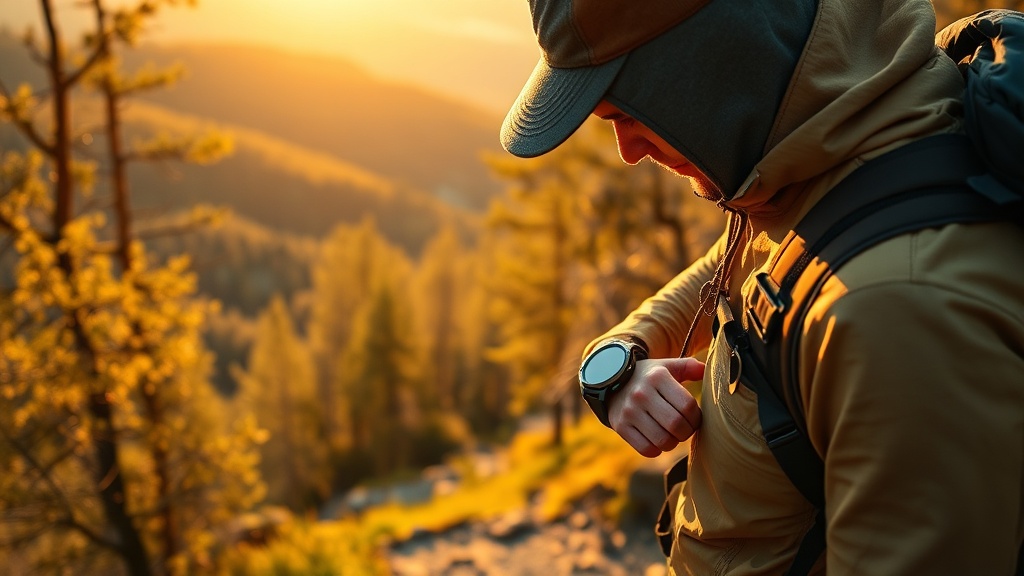
Field note: I set my watch to “sunrise alarm” and step outside for a quick 5‑minute stretch. The natural light hits my eyes, suppresses melatonin, and I’m ready for the day’s mileage.
2. What role does artificial light play in the evening?
- Dim the lights to ≤ 100 lux after 8 pm. Use warm‑tone bulbs (≈ 2700 K).
- Limit screen time or enable “Night Shift” mode to cut blue wavelengths.
Data point: The CDC reports that evening exposure to > 200 lux can delay melatonin onset by up to 90 minutes (source: CDC Sleep & Shift Work).
How should I tweak my bedtime and wake‑time schedule?
3. Should I shift my schedule gradually before DST?
Yes. Starting three nights before the shift, go to bed 15 minutes earlier each night and wake 15 minutes earlier. This staged approach reduces the “spring‑lag” effect by up to 50 % (see *Sleep Medicine* 2023).
4. What if I can’t fall asleep earlier?
- Use a short, 20‑minute “power nap” in the early afternoon (no later than 2 pm). It restores alertness without compromising nighttime sleep pressure.
- Avoid caffeine after 12 pm; the half‑life of caffeine is ~ 5 hours and will linger into the night.
What nutrition tweaks support a smooth transition?
5. Are there foods that help reset my rhythm?
- Magnesium‑rich snacks (almonds, pumpkin seeds) aid relaxation.
- Complex carbs at dinner (sweet potato, quinoa) promote steady blood glucose, which stabilizes sleep onset.
Quick tip: I pack a “sleep‑fuel” trail mix—almonds, dried cherries, and a pinch of sea salt—right before the DST shift.
How can I protect my trail performance while my body adjusts?
6. Should I modify my hike intensity for the first week?
- Scale back to moderate‑intensity routes (e.g., 3‑15 mi loops) and keep a safety buffer of 30 minutes for unexpected fatigue.
- Carry a portable light source (headlamp with 300‑lumens) for early‑morning starts; it compensates for reduced natural light perception.
7. What safety checks are essential during this adjustment period?
- Re‑run my pre‑hike checklist: water volume, pack weight, and night‑vision gear.
- Monitor heart‑rate variability (HRV) with a wearable; a dip > 10 % signals insufficient recovery.
Takeaway: Your 3‑Day DST Reset Playbook
| Day | Action |
|---|---|
| Day ‑ 3 | Go to bed 15 min earlier; wake 15 min earlier. |
| Day ‑ 2 | Add 15 min to both bedtime and wake‑time; start a 10‑min sunrise walk. |
| Day ‑ 1 | Same schedule; dim lights after 8 pm; avoid caffeine after noon. |
| DST Day | Wake at new time, 5‑min outdoor light exposure, power‑nap if needed. |
| Day + 1‑3 | Keep light exposure, maintain moderate hikes, track HRV. |
Follow this plan and you’ll be back to “trail‑ready” alertness within 48 hours—no more groggy missteps on the Cascades.
Related Reading
- Best Spring Hiking Trails in Washington: Reality Check Picks – Choose routes that match your refreshed energy level.
- The March Trap: Why Spring's Arrival Makes Cascades Hiking More Dangerous, Not Less – Understand why the same daylight shift can increase trail hazards.
- Spring Refresh: Bio‑Harmony Gear and Nutrition Guide for Hikers – Gear and nutrition tweaks that complement your sleep reset.
FAQs
How long does it usually take to adjust to the DST time change?
Most people need 1–2 days per hour of shift, but a gradual schedule change can cut that in half.
Can a short afternoon nap hurt my nighttime sleep after DST?
A 20‑minute nap before 2 pm can boost alertness without interfering with nighttime sleep pressure.
What’s the single most effective light‑exposure tip for resetting my clock?
Get at least 250 lux of natural morning light within 30 minutes of waking.
Bottom line: DST doesn’t have to be a setback. By treating your sleep schedule like a logistics chain—controlling light, timing, and nutrition—you can reset your circadian rhythm fast, stay productive, and hit the trail with the energy of a spring sunrise.
—
Garrett Vance
Founder, HikingRoutes.blog