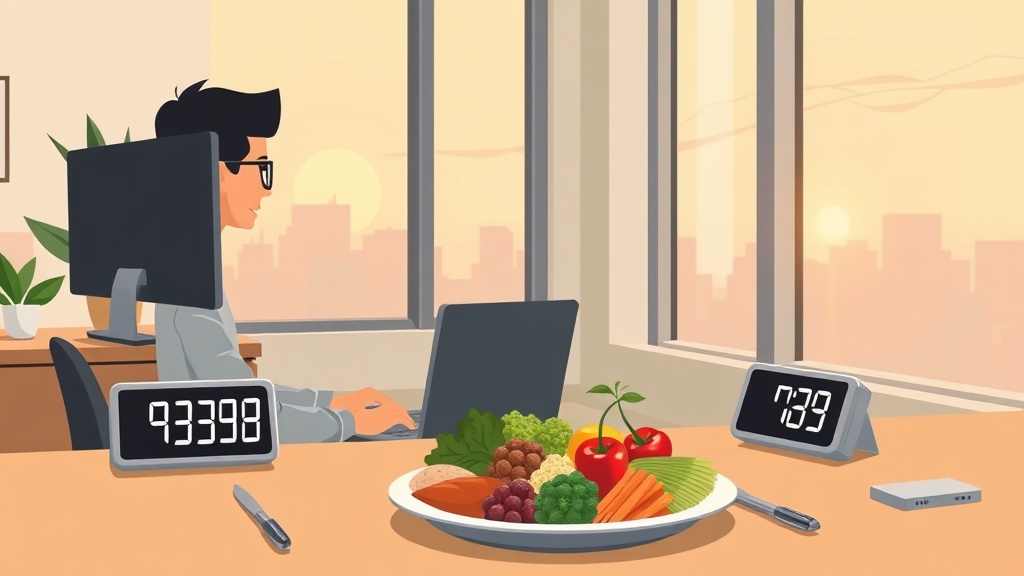
Bio‑Harmony Meal Planning for Remote Workers: Sync Nutrition with Your Circadian Rhythm

Bio‑Harmony Meal Planning for Remote Workers: Sync Nutrition with Your Circadian Rhythm
Hook:
Ever notice how a late‑night snack leaves you foggy at the 9 a.m. Zoom call? What if you could time your meals to the sunrise, just like you’d schedule a trail start, and actually feel sharper all day?
Context:
Spring daylight shifts give us longer mornings—perfect for resetting eating schedules. By aligning macronutrient intake with natural light cycles, you can stabilize blood sugar, improve sleep quality, and tap into the longevity benefits the NFL’s neurosurgeon highlighted in his 2026 “Six Pillars of Age‑Defying Health.”
What Is Bio‑Harmony Meal Planning?
Bio‑harmony isn’t a buzzword; it’s a data‑driven approach that matches your body’s internal clock (the circadian rhythm) with the nutritional profile of each meal. Think of it as a trail map for your stomach: you plot when to fuel up, what to fuel with, and how the terrain (light) changes throughout the day.
How Does Light Influence Metabolism?
Research shows that eating during daylight improves insulin sensitivity and supports mitochondrial health. A 2023 Chronobiology International study found a 23% reduction in post‑meal glucose spikes when participants ate within three hours of sunrise compared to late‑night meals. (Source: Chronobiology International, 2023)
Which Meals Should I Time With Which Light?
| Time Window | Light Condition | Meal Focus | Why It Works |
|---|---|---|---|
| 7:00 am – 10:00 am | Morning sunrise | Protein‑rich breakfast (eggs, Greek yogurt, oats) | Light boosts cortisol, priming your body for glucose utilization. |
| 10:00 am – 2:00 pm | Mid‑day sun | Complex carbs + lean protein (quinoa bowl, grilled chicken) | Sustains energy for deep‑focus work blocks. |
| 2:00 pm – 5:00 pm | Afternoon light (still bright) | Balanced snack (nuts, fruit) | Keeps blood sugar steady before the evening dip. |
| 5:00 pm – 8:00 pm | Dusk | Light dinner (salmon, roasted veg) | Helps melatonin rise for better sleep. |
| After 8:00 pm | Evening darkness | Optional low‑calorie snack (herbal tea) | Avoids insulin spikes that can sabotage sleep. |
How Can I Build a Weekly Meal Template?
1. Map Your Work Blocks
I treat my day like a pre‑dawn safety audit: I list every meeting, deep‑work slot, and break. Write these on a simple spreadsheet and attach a light‑level column.
2. Choose Macro Ratios per Slot
- Morning (7‑11 am): 30 % protein, 40 % carbs, 30 % fat.
- Mid‑day (10 am‑2 pm): 25 % protein, 45 % carbs, 30 % fat.
- Evening (5‑8 pm): 35 % protein, 25 % carbs, 40 % fat.
These ratios mirror the body’s natural hormone fluxes.
3. Draft a 5‑Day Menu
Below is a sample template you can copy‑paste into Google Sheets. Adjust portions for your caloric goal (I usually log my intake to the ounce, just like I log water on a hike).
| Day | Breakfast | Lunch | Snack | Dinner |
|---|---|---|---|---|
| Mon | Scrambled eggs, spinach, whole‑grain toast | Quinoa‑black bean bowl, avocado | Apple + almond butter | Baked salmon, asparagus, sweet potato |
| Tue | Greek yogurt, berries, chia seeds | Turkey lettuce wraps, brown rice | Carrot sticks + hummus | Grilled chicken, broccoli, quinoa |
| Wed | Oatmeal, whey protein, banana | Lentil soup, mixed greens | Greek yogurt | Shrimp stir‑fry, bell peppers, cauliflower rice |
| Thu | Smoothie (protein powder, kale, pineapple) | Chickpea salad, feta, cherry tomatoes | Handful of walnuts | Beef steak, roasted carrots, wild rice |
| Fri | Cottage cheese, peach slices, nuts | Tuna salad, whole‑grain pita | Dark chocolate (70 %+) | Veggie‑laden pasta, olive oil, parmesan |
4. Log Light Exposure
I keep a simple log: Sunrise: 6:45 am → Light: 45 min → Meal: Breakfast. Apps like Sun Surveyor or the built‑in iOS “Sunrise” widget give you exact times.
5. Adjust for DST Shifts
When the clocks spring forward, shift each meal window one hour later. This prevents the “late‑night snack” trap that many remote workers fall into after DST.
What Are Common Mistakes to Avoid?
- Skipping Breakfast: Unlike a trail‑head where you always check your gear, skipping the first meal throws off your circadian cue.
- Heavy Late‑Night Carbs: They delay melatonin release, making it harder to fall asleep.
- Ignoring Light Quality: Artificial blue‑light exposure after sunset can suppress melatonin. Use amber glasses or dim lights.
Quick Pro Tips from My Home Office Trail Log
- Batch‑Cook on Sundays: Prep protein portions (chicken, beans) in zip‑lock bags—just like I pre‑load my water filter cartridges.
- Use a Timer: Set a kitchen timer for each meal window; the beep is your “trail marker.”
- Hydrate with Purpose: I log water intake in ounces, matching it to daylight hours (e.g., 1 L before noon, 0.5 L after 5 pm).
Takeaway
Treat your workday like a multi‑day hike: map the light, pack the right fuel, and stick to the schedule. By syncing meals with sunrise and dusk, you’ll notice sharper focus, steadier energy, and, over time, a measurable boost in longevity markers. Start tomorrow—log your sunrise, plan a protein‑rich breakfast, and watch the difference.
Related Reading
- Spring Refresh: Embracing Bio‑Harmony in Your Lifestyle — deeper dive into bio‑harmony gear.
- Daylight Saving Time Reset: Expert Tips to Sync Your Circadian Rhythm — how DST affects sleep and performance.
- The Reality Check: Your Spring Water Plan Is Probably Wrong—and Dehydration Doesn't Care About Your Filter — water intake basics for remote workers.
<meta.faqs>
[
{"question": "What time should I eat breakfast for optimal circadian alignment?", "answer": "Aim for within three hours of sunrise, ideally between 7:00 am and 10:00 am, to leverage cortisol’s natural peak."},
{"question": "Can I adjust the meal plan if I work night shifts?", "answer": "Yes—reverse the windows: eat a protein‑rich meal before your first night‑shift, and keep dinner light before you try to sleep during daylight."},
{"question": "How does daylight saving time affect my meal timing?", "answer": "Shift each meal window one hour later when clocks spring forward, and one hour earlier when they fall back, to keep meals in sync with actual light exposure."}
]
</meta.faqs>